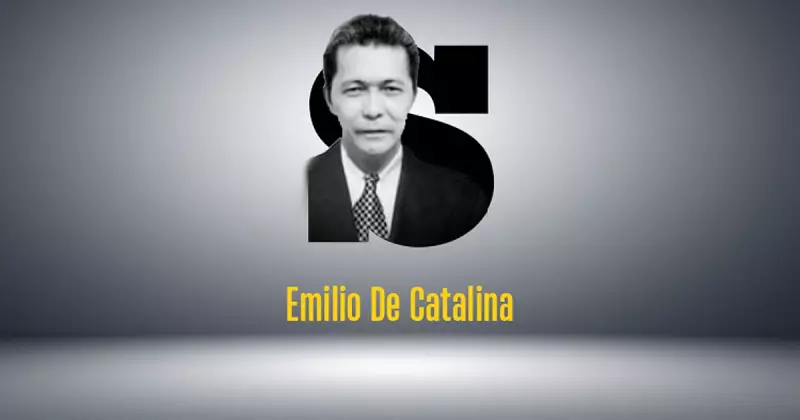
In a significant contribution to Filipino linguistics, the AKABI page published a detailed exploration of word forms in the Cebuano-Visayan language on January 3, 2026. Authored by Emilio de Catalina, PhD, the post follows up on a previous entry from December 20, focusing on the morphological aspects crucial for understanding the language's structure.
Understanding the "Ludlis sa Pulong"
The article centers on the concept of "ludlis sa pulong" or forms of words, which are fundamental to studying the language's morphology. The author identifies nine distinct word forms, known as "ludpung." Due to space constraints, the initial publication covers only the first four, promising a follow-up for the remaining five.
The First Four Key Word Forms
The analysis begins with a detailed look at the primary morphological patterns. These forms explain how words change in everyday speech, often for ease of pronunciation or due to regional variations.

1. Pulihogan (Homophone): This form refers to words that share the same sound but have different spellings and meanings. Homophones are common and can sometimes lead to playful or confusing exchanges in conversation.
2. Putlong (Apocope): This is a shortening process where the end of a word is omitted. It is frequently used in Cebuano-Visayan to make speech smoother and more efficient, reflecting the dynamic nature of spoken language.
3. Laktong (Aphaeresis): Opposite to apocope, this form involves the removal of a sound or syllable from the beginning of a word. It's another common linguistic shortcut that speakers use naturally.
Regional Variations in Speech
4. Panghulipan (Substitution): This form involves replacing one or more letters within a word. The author emphasizes that this change is heavily influenced by regional pronunciation differences. For instance, the way words are spoken in central Cebu can differ from southern areas like Dalaguete. Variations also exist between Cebu and Bohol, highlighting the rich dialectal diversity within the language family.
Significance for Language Study
Dr. de Catalina's work underscores the importance of these word forms for anyone seriously studying Cebuano-Visayan. Understanding Pulihogan, Putlong, Laktong, and Panghulipan provides a window into how the language operates at its core. It moves beyond simple vocabulary to grasp the rules that govern word formation and modification.
This linguistic breakdown is not just academic; it helps in preserving and teaching the language accurately. By documenting these patterns, AKABI provides a valuable resource for educators, students, and linguists dedicated to Filipino languages.
The post concludes by noting that the remaining five word forms will be discussed in a subsequent article. This series represents a meaningful step in documenting and analyzing the complex beauty of the Cebuano-Visayan language for future generations.