Global Economy Faces Major Threat from Strait of Hormuz Crisis, Warns IEA
The International Energy Agency (IEA) has issued a stark warning that the global economy is under a major threat due to an escalating energy crisis fueled by ongoing tensions in the Middle East, particularly centered on the Strait of Hormuz. IEA chief Fatih Birol emphasized that the current situation bears a troubling resemblance to the oil crises of the 1970s and the economic impacts following Russia's invasion of Ukraine in 2022.
Comparison to Historical Energy Crises
Birol described the unfolding scenario as a combination of two oil crises and one gas crash, highlighting its potential for widespread repercussions across the global economy. He stressed that no country will be immune from the effects if the crisis persists, underscoring the urgent need for enhanced global cooperation to mitigate the situation.
Geopolitical Tensions and Supply Disruptions
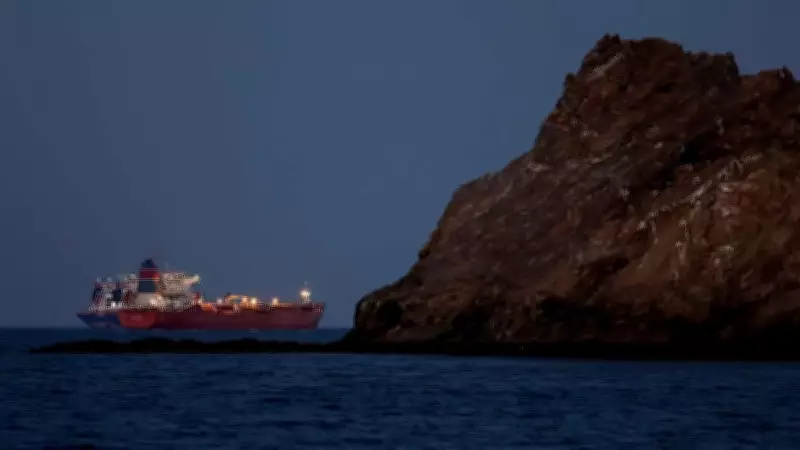
Simultaneously, tensions between the United States and Iran continue to simmer, with the Strait of Hormuz remaining a critical flashpoint. This vital maritime passage handles approximately 20% of global oil and gas shipments. Due to blockades and unrest in the region, supply flows have partially slowed, leading to noticeable increases in oil prices on the international market.

The IEA's alert calls for immediate action to address these disruptions, as the intertwined nature of global energy markets means that instability in one key area can trigger far-reaching economic consequences worldwide.