Davao Authorities Find No Terror Links in Bondi Suspects' Pre-Attack Stay
Police Regional Office-Davao Region has definitively ruled out any terrorist-related activities during the stay of Bondi Beach attack suspects in Davao City prior to the deadly December 2025 incident. Following an extensive investigation that included digital forensic analysis of recovered mobile devices, authorities found no evidence suggesting the suspects conducted terrorism planning or training while in the region.
Comprehensive Investigation Details
PRO-Davao Regional Director Leon Victor Rosete emphasized during a March 5 press briefing that "it's not connected to terrorist activity" after reviewing extracted data from recovered cellphones. The investigation was launched immediately after authorities confirmed the suspects' presence in Davao City, involving multiple security agencies including the Armed Forces of the Philippines, National Intelligence Coordinating Agency, and National Bureau of Investigation.
The probe encompassed:

- Detailed review of hotel records and CCTV footage
- Analysis of travel data and movement patterns
- Identification of individuals who may have interacted with the suspects
- Digital forensic examination of recovered electronic devices
Suspects' Movements and Activities in Davao
Hotel records indicate the father-and-son duo checked into a Davao City hotel on November 1, 2025, and remained there until November 28. Investigators found they "stayed at the hotel the whole time and did not go anywhere else" according to Rosete, with only brief daily excursions outside their room.
Authorities confirmed several key findings:
- The suspects did not visit any gun ranges in the city
- Their movements were confined to Davao City with no travel to remote areas typically associated with militant training
- CCTV footage showed only limited outdoor activity during their entire stay
Background: The Bondi Beach Tragedy
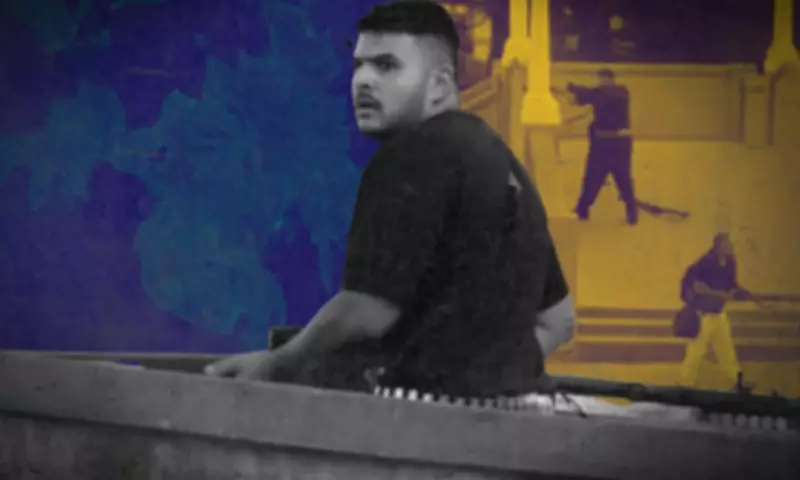
The December 14, 2025 attack at Bondi Beach shocked Australia and drew international attention when two gunmen opened fire on a crowd gathered for a Hanukkah celebration. The shooting resulted in at least 15 fatalities and more than 40 injuries, including children and police officers, marking Australia's deadliest mass shooting in nearly three decades.
Australian authorities later classified the incident as a terrorist attack, citing extremist motives and the discovery of improvised explosive devices at the scene. One suspect, 50-year-old Sajid Akram, was killed during a shootout with police, while his 24-year-old son Naveed Akram was wounded and taken into custody.
International Coordination and Security Assurance
PRO-Davao has shared all intelligence gathered from their investigation with Australian authorities, including digital forensic data and surveillance findings, to assist in the ongoing probe into the attack's motives. The regional police command reiterated its commitment to maintaining security in the Davao Region and assured the public that their investigation found no evidence linking the suspects' activities in the Philippines to the terrorist act carried out in Sydney.
Rosete noted that while the suspects "maybe their intention in coming here was to get some training", this did not materialize during their stay. He emphasized that proper training processes would require longer periods and more extensive movement than what was observed during the suspects' largely stationary hotel stay.