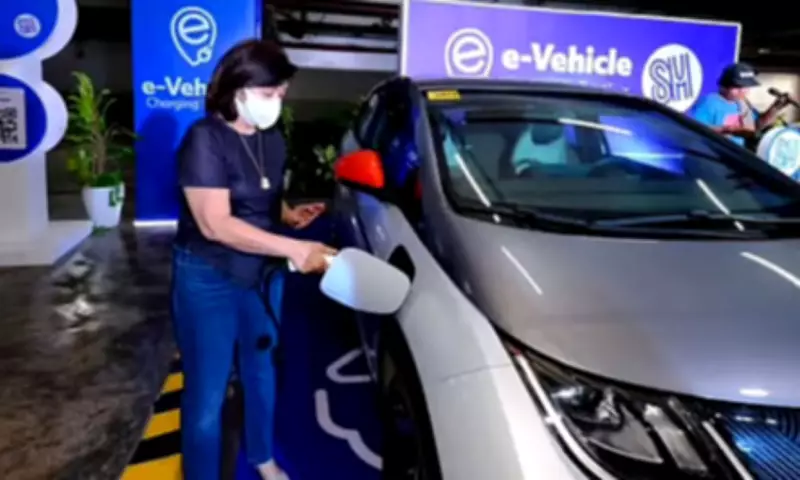
Rising fuel prices are beginning to reshape how Filipinos think about transportation, with growing interest in electric vehicles (EVs) emerging despite persistent affordability and infrastructure challenges, according to a recent survey.
Survey Highlights Early Momentum Toward EV Adoption
A study by Agile Data Solutions Inc. found that one in six Filipinos is willing to save for an electric or hybrid vehicle if transport costs continue to rise, signaling early momentum toward EV adoption amid volatile oil prices. Fuel prices have reportedly climbed to as high as P100 per liter in recent weeks, putting significant pressure on commuters and transport operators.
The impact is substantial, as mobility remains essential for many Filipinos. Based on survey data, about 40 percent travel daily, while 55 percent rely on public transportation, making cost-effective alternatives increasingly attractive.

Gap Between Awareness and Actual Usage
Despite this growing interest, adoption remains limited. While 91 percent of Filipinos are aware of EVs, around 66 percent still do not own any electric or hybrid vehicle, indicating a clear gap between awareness and actual usage.
The main barrier continues to be cost. Nearly 44 percent of respondents cited high purchase prices as the primary reason for not switching, with additional concerns over battery lifespan, replacement costs, and limited charging infrastructure. Government incentives have yet to significantly influence purchasing decisions, with only about half of respondents saying these reduce the financial burden of EV ownership.
Consumer Priorities and Future Outlook
The study also showed that Filipino consumers prioritize convenience (33 percent) and cost (27 percent) when choosing transport, with environmental considerations taking a secondary role. However, rising fuel costs may be shifting long-term behavior.
The survey indicates that increasing transport expenses are prompting some households to consider EVs as a future cost-saving alternative, even if they remain out of reach for now. Looking ahead, 85 percent of respondents expect the EV market to grow within the next five to 10 years, while about 45 percent say they are likely to consider purchasing an EV under current conditions.
Market in Transition
Industry stakeholders said the findings point to a market in transition, where consumer awareness and interest are rising but adoption will depend on improvements in affordability, infrastructure, and policy support. For now, EVs remain largely aspirational for many Filipinos, but sustained increases in fuel prices could accelerate their shift from a future option to a practical alternative.