
Health officials in Cebu City have issued a public warning on Wednesday, April 22, 2026, as escalating temperatures significantly increase the risk of heat-related illnesses, including heatstroke, dehydration, and skin conditions. Assistant City Health Officer Phyllis Bidon emphasized that prolonged exposure to high heat can lead to severe health consequences, urging residents to take immediate precautions.
Critical Precautions Against Extreme Heat
Bidon highlighted the noticeable shift from rainy weather to intense heat, stating that excessive temperatures and a high heat index can profoundly impact health. She advised the public to avoid outdoor activities during the hottest periods of the day, specifically between 10 a.m. and 3 p.m., when the sun is at its peak.
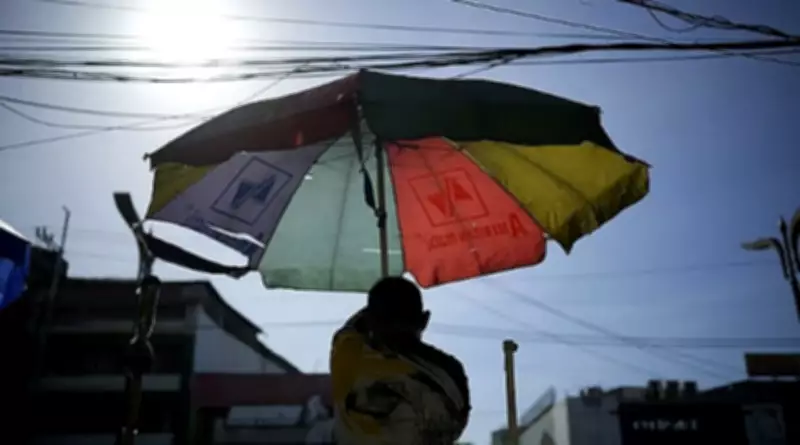
"If possible, avoid walking outside during those hours. But if you must go out, protect your skin by wearing light clothing and using hats or umbrellas, as these measures provide substantial relief," Bidon explained.

Hydration and Dietary Recommendations
Regular water intake is crucial for preventing heat-related ailments, according to Bidon. She cautioned against waiting until thirst sets in, as dehydration can occur suddenly, leading to symptoms like headaches or even collapse.
"Drink plenty of water and do not delay until you feel thirsty, because heat-related incidents can strike unexpectedly. Staying intentionally hydrated is key to avoiding such emergencies," she stressed.
Bidon also recommended monitoring for signs of dehydration, such as reduced urination, and encouraged consuming water-rich fruits and vegetables. She warned against excessive sugar and salt intake, which can exacerbate dehydration and worsen conditions like high blood pressure.
Monitoring Summer Illnesses and Emergency Response
Beyond dehydration, the city health office is tracking a rise in summer-related illnesses, including skin rashes and chickenpox, which can intensify during extreme heat. Bidon urged prompt medical consultation for any skin issues and emphasized that heatstroke requires immediate hospital attention.
In emergencies, she advised bystanders to assist by cooling the patient with water application, loosening tight clothing, and ensuring adequate air circulation while awaiting health responders.
Community and School Guidelines
Bidon called on barangays and schools to refrain from scheduling outdoor events during peak daytime heat, noting that direct sunlight exposure during these hours poses significant dangers.
"Please avoid planning outdoor activities under direct sun from 10 a.m. to 3 p.m. Whenever feasible, remain indoors during this timeframe," she reiterated.
Purok Kalusugan Initiative Expansion
Simultaneously, Bidon announced the deployment of 16 nurses from the Department of Health to support Cebu City's Purok Kalusugan program. This house-to-house healthcare initiative aims to deliver medical services directly to communities, focusing on vulnerable populations.
The nurses, collaborating with barangay health workers, will conduct household visits to monitor pregnant women, chronic illness patients, and individuals at risk for hypertension and diabetes. Bidon pointed out that lifestyle diseases, often stemming from poor diet and inactivity, are a major concern.
"Through these visits, we can identify high-risk individuals early and ensure they receive necessary consultations and medications," she added.
Using risk assessment tools, the team will pinpoint residents vulnerable to hypertension and related complications like stroke and heart attack, enabling proactive city responses. This deployment is expected to enhance Universal Health Care implementation at the barangay level and transfer valuable skills to local health workers for long-term community benefits.