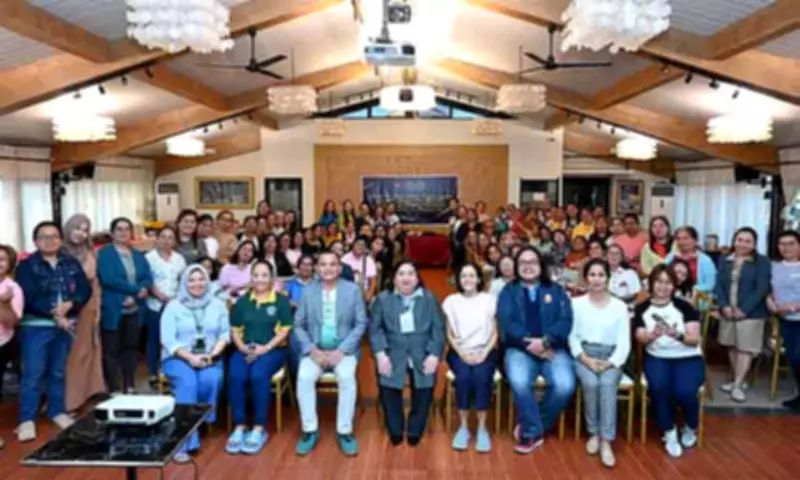
DOH Strengthens Barangay Health Workers in Davao Region Through Training and Consultations
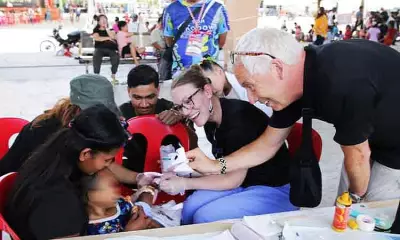
Barangay Health Workers (BHWs) serve as a critical bridge between the national health system and local communities, engaging directly with families, monitoring health conditions, and facilitating access to essential services. Their efforts enable the swift identification and resolution of health issues, making them indispensable in public health.
Ms. Jinky M. Espino, the Department of Health (DOH)-Davao BHW Program Regional Coordinator, emphasized their significance, stating, "They embody community spirit and form the literal backbone of the journey towards Universal Health Care." This recognition underscores the vital role BHWs play in advancing healthcare accessibility across the region.
Regional Consultative Meeting Enhances BHW Capabilities
To support these frontline workers, the DOH has organized meetings and training sessions, including the recently concluded 2026 1st Semester BHW Regional Consultative and Stakeholders Meeting in Davao City. This event brought together BHW representatives and partners to discuss updated policies and systems, such as the BHW Connect Registry, which aims to improve database management and enhance health service delivery in communities.

Currently, there are 13,434 BHWs actively serving in the Davao Region, contributing to grassroots healthcare initiatives. During the meeting, participants reviewed household profiling and encoding processes, and revisited the implementation of key policies and benefits.
Policy Support and Incentives for BHWs
The discussions highlighted important frameworks, including the DOH-DILG Joint Memorandum Circular 2023-01, which focuses on the retention and continued service of Barangay Health Workers, and the PhilHealth YAKAP comprehensive care package. Both initiatives are designed to bolster the ongoing efforts of BHWs, ensuring they receive necessary support.
Under Republic Act No. 7883, known as The Barangay Health Workers' Benefits and Incentives Act of 1995, the role of BHWs is formally recognized as a voluntary service that connects local communities with the national health system. This legislation provides registered BHWs with various incentives, such as:
- Hazard allowances to compensate for risks in fieldwork.
- Subsistence allowances to aid in daily needs.
- Training programs to enhance technical skills and professional development.
These measures aim to sustain and motivate BHWs, reinforcing their commitment to community health and well-being.