

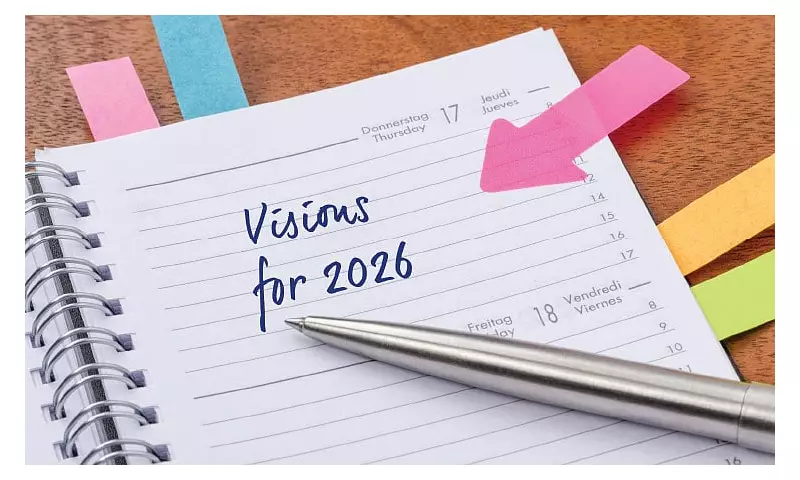
As the final days of December 2025 slip away, a familiar ritual begins across the Philippines. Despite knowing the likely outcome, many of us will once again draft a list of promises for the coming year. The approach of 2026, however, reveals a significant change in our collective mindset. Our resolutions are no longer primarily about aspiration; they have become a form of defense.
The Defensive Nature of Modern Resolutions
Gone are the days when New Year's lists were purely about building a better version of ourselves. The experience of recent years has reshaped our goals. We are now focused on not burning out, not falling behind, and not losing the fragile balance we've managed to hold onto. The annual list has transformed from a document of ambition into a blueprint for survival. This shift isn't born from naivety but from a stubborn hope that persists even when past attempts have fallen short.
We open notes apps and planners with a sense of determination, fully aware that we've failed at many of these same goals before. Yet, we write them down again. The act itself is a testament to resilience, a declaration that we haven't given up on managing our well-being in an increasingly demanding world.

The Common Resolutions We Can't Quit
Certain promises appear on our lists with predictable regularity. Their evolution throughout the year tells a story of adaptation and revised expectations.
Improving our diet starts with genuine intent—more vegetables, fewer carbohydrates, mindful eating. But as daily pressures mount, food returns to its role as comfort. The goal subtly changes from strict discipline to pragmatic damage control, and we learn to frame any slight improvement as progress.
Spending less time online leads us to delete apps and vow to cut back. Yet, with work, social connections, and even boredom tied to digital platforms, a full disconnect is nearly impossible. By February, we often find ourselves scrolling once more, offering ourselves the consolation that it's just a temporary lapse.
Saving more money is launched with detailed budgets and firm resolve. Then, life happens—unexpected expenses, small treats for morale, or necessary indulgences. The ambition of growing savings often shifts to the simpler, more urgent goal of just staying financially afloat.
Getting serious about exercise sees gym memberships renewed and workout shoes dusted off. When exhaustion from daily life wins out, the target is quietly adjusted. The dream of physical transformation is replaced by the more modest aim of consistency, however sporadic.
The Quiet Acceptance of Adjusted Goals
Other resolutions follow a similar path of gentle compromise. We pledge to fix our sleep with earlier nights and less screen time, only to have deadlines and anxiety disrupt our plans. We soon rationalize six hours of sleep as an acceptable achievement.
We strive to be more present, vowing to live in the moment, only to instinctively reach for our phones to capture it. We discover that true presence is less about intention and more about the difficult practice of restraint.
Plans to learn something new—a language, a skill, an instrument—begin with excitement. The initial momentum often fades when the routine of practice becomes challenging. The learning materials linger in our homes, serving as a physical reminder that the intention, at least, was sincere.
Our quest to get organized involves new planners, apps, and systems. Chaos inevitably finds a way in, but the very act of trying again provides a strange sense of comfort and control.
Perhaps the most immediately tested resolution is to be more patient—with traffic, slow Wi-Fi, other people, and ourselves. This virtue is often challenged before January's first week has ended.
Redefining Success: The Purpose of the Annual List
By the time January 2026 fades into February, most of these resolutions will have softened, shifted, or quietly been set aside. But this annual cycle may not represent failure. Perhaps the ritual is not about radical self-improvement, but about the ongoing effort to hold on.

It's about clinging to health, to mental clarity, and to having just enough energy to keep moving forward. In a challenging world, the simple act of writing the list each year is an affirmation of hope and a commitment to persevere. That, in itself, may be the most important resolution of all.