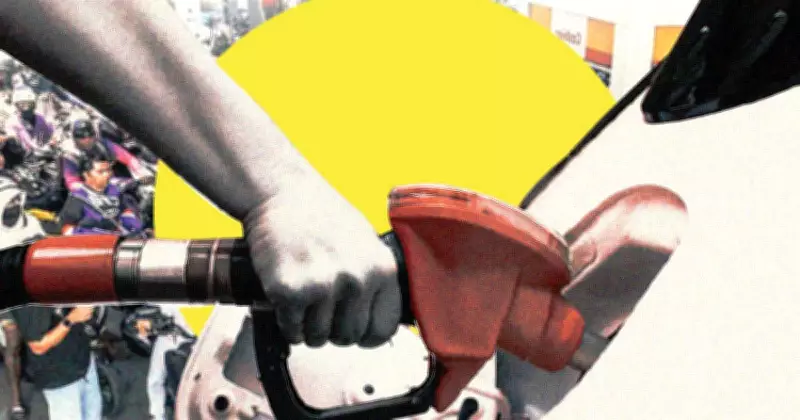
In the face of escalating fuel costs, a heartwarming trend of "paying it forward" is gaining momentum across the Philippines, with motorists and businesses stepping up to cover fuel expenses for strangers. This surge in generosity comes as diesel prices approach the P100 per liter mark, prompting both grassroots kindness and high-level policy responses.
Rising Fuel Costs Trigger Acts of Generosity
On March 23, 2026, SunStar Cebu reported that Cebu City had cut fuel allocations for barangay vehicles, highlighting the strain of soaring diesel prices. In response, isolated acts of goodwill have evolved into a more frequent phenomenon, particularly amplified through social media platforms. Stories of motorists surprising unsuspecting individuals at gas stations are capturing public attention and inspiring others to follow suit.
Viral Moments of Kindness
One notable example occurred on March 20, when the P39 coffee chain Don Macchiatos extended its generosity by offering to shoulder fuel costs for select customers at a gas station in South Road Properties, Talisay City, until available slots were exhausted. This initiative mirrored earlier viral efforts that had already sparked widespread admiration.

TikTok user kapekoblack01 drew significant attention after requesting a gas station attendant to surprise an elderly man, who had mentioned having only P100, with a full tank of fuel. The video quickly amassed over 100,000 likes, resonating with viewers across the nation.
In another widely shared clip, Mervin Pescasio Lamoco documented giving P1,100 to an elderly tricycle driver, who broke down in tears while discussing his struggles to keep up with rising diesel prices. This emotional moment garnered more than two million likes, with one comment capturing the prevailing sentiment: "At this point, I don’t care if people are recording while helping. The important thing is that they are doing something."
Celebrity and Policy Responses
Public figures have also joined the movement. On March 17, Donny Pangilinan and his father, Anthony Pangilinan, offered discounted fuel at their family-run gas station in Cavite, pledging to continue the initiative "for as long as we are able." This celebrity involvement has further spotlighted the issue, encouraging broader participation.
At the policy level, Senator Francis Pangilinan announced the Senate's approval of a bill seeking the temporary suspension of fuel excise taxes amid rising oil prices linked to tensions in the Middle East. The measure could reduce prices by as much as P6 per liter for diesel, P10 for gasoline, and P5 for kerosene.
"The increase in oil prices directly raises the cost of production and transportation of food, which may lead to higher food prices for the average Filipino," Pangilinan emphasized, underscoring the broader economic implications of the fuel crisis.
Ground-Level Tensions and Protests
Despite these efforts, the situation on the ground remains tense. Transport groups and youth organizations have staged nationwide protests following consecutive fuel price hikes, with pump prices hovering around P80 per liter and projections indicating further increases. Demonstrations have also targeted major oil companies, including Petron Corporation, over what activists describe as systemic corporate greed.
The Department of Energy has stated that it is coordinating with oil companies to ensure that public utility vehicle drivers, delivery riders, and other motorists continue to benefit from fuel discount programs. These sectors—jeepney drivers, tricycle operators, and delivery riders—remain among the most affected when fuel prices surge, with every peso making a significant difference in their daily livelihoods.
A Familiar Filipino Response
In moments of crisis, Filipinos often turn to one another, drawing on a deep-seated tradition of community support. This pattern has been observed before—from community pantries during the pandemic to bayanihan efforts in times of calamity. People step in where they can, however they can, reflecting a shared instinct to help despite systemic challenges.

However, there is a growing recognition that resilience should not be romanticized. Calls for long-term solutions and accountability continue to echo, as many watch how leaders and institutions respond to ongoing economic pressure. The balance between immediate relief and sustainable policy remains a critical point of discussion.
Small Gestures, Big Impact
Amid global tensions and rising costs, small acts of kindness persist—in gas stations, along highways, and in brief encounters between strangers. These gestures, while seemingly minor, offer meaningful relief and foster a sense of solidarity. They raise an important question worth monitoring: Will more people and businesses choose to do the same, amplifying this wave of generosity in the face of adversity?
For now, these acts provide a glimmer of hope and practical assistance where it is most needed, reminding us of the power of community in challenging times.