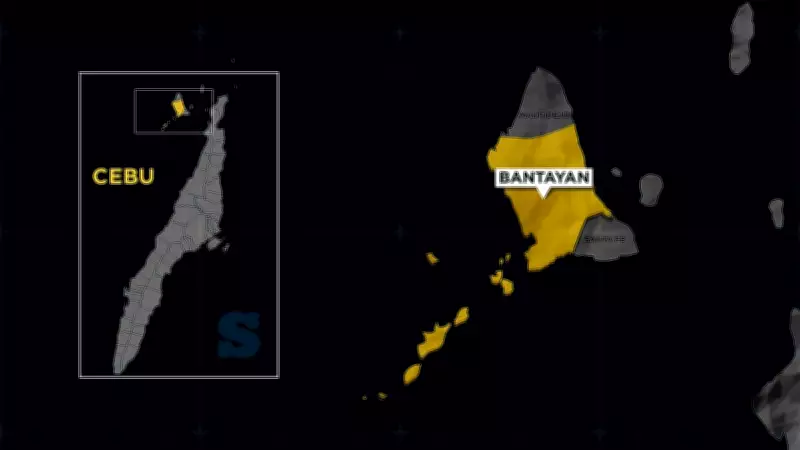
Bantayan Island Issues Urgent Warning About Sophisticated Holy Week Booking Scams
Travelers planning a Holy Week getaway to the picturesque shores of Bantayan Island are being urged to exercise extreme caution when making online reservations. A concerning wave of sophisticated booking scams has already ensnared hundreds of unsuspecting tourists, prompting hotel and resort owners to raise the alarm. With the peak holiday season fast approaching, local tourism leaders and government officials are intensifying efforts to safeguard visitors from falling prey to these increasingly deceptive digital schemes.
Alarming Surge in Sophisticated Fraud Cases
Since September 2025, authorities have documented approximately 200 scam incidents specifically targeting travelers to Bantayan Island. Nelson Yuvallos, President of the One Island Tourism Association (OITA), revealed that new victims continue to come forward, with reports filed as recently as February 9, 2026. What makes these scams particularly insidious is their use of realistic pricing strategies. Unlike traditional tourist traps that offer suspiciously low "too good to be true" deals, these fraudulent listings deliberately set rates at normal market levels to avoid raising red flags among cautious travelers.
"This warning is intended to raise public awareness and protect our visitors, not to tarnish Bantayan Island's reputation as a premier tourism destination," Yuvallos emphasized, highlighting the delicate balance between transparency and maintaining the island's appeal.

How the Elaborate Scam Network Operates
Local officials suspect that a large, organized syndicate is orchestrating these attacks with remarkable coordination. Santa Fe Councilor Jaypee Lao detailed how scammers create meticulously crafted fake Facebook pages that perfectly mirror legitimate resort profiles. In one particularly brazen case, a fraudulent page impersonating Anika Island Resort amassed an astonishing 50,000 likes by using stolen photographs, all while the authentic resort's official page was temporarily inaccessible.
Travelers who complete bookings through these counterfeit platforms often arrive on the island only to discover they have no confirmed accommodation and their payments have vanished. Councilor Lao outlined the scammers' typical three-step process:
- Scammers initially provide a non-functional "dummy" bank account for payment.
- They then falsely claim the banking system is undergoing maintenance.
- Finally, they instruct the tourist to transfer funds to a personal GCash or e-wallet account instead.
Threat to Post-Disaster Tourism Recovery
This fraud epidemic strikes at a particularly vulnerable moment for Bantayan Island's economy. The tourism sector is still recovering from a devastating magnitude 6.9 earthquake in September 2025, followed by two powerful typhoons that struck in November. While visitor numbers showed promising signs of recovery in December, industry leaders now fear these scams could deter the anticipated 10,000 Holy Week guests.
In a display of community solidarity, some compassionate resort owners have been offering free meals or discounted accommodations to scammed tourists on humanitarian grounds. However, this temporary solution underscores the urgent need for more permanent protective measures.
Essential Protective Measures for Travelers
The National Bureau of Investigation (NBI) and the PNP Anti-Cybercrime Group have launched official investigations into these fraudulent activities. Meanwhile, the Department of Tourism (DOT) recommends travelers adopt these crucial safety practices:

- Verify Official Channels: Always confirm you are interacting with an authentic website or verified social media account before booking.
- Avoid Personal Payment Methods: Never transfer funds to personal names or private e-wallet accounts for accommodation bookings.
- Consult Verified Lists: Reference official lists of legitimate hotels and resorts provided by the local government unit.
Councilor Lao is advocating for a potential local ordinance that would prohibit hotels and resorts from accepting e-wallet payments, aiming to eliminate these difficult-to-trace transactions. As Bantayan Island continues its economic rebuilding journey, protecting both its visitors and its hard-earned tourism reputation remains paramount. By remaining vigilant and booking exclusively through verified official channels, travelers can transform their Holy Week vacation into the relaxing escape they envisioned, rather than a costly digital nightmare.