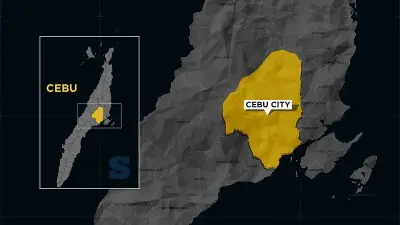


A stark disparity in national infrastructure spending has been laid bare by recently released budget documents, showing one rural congressional district in Cebu receiving a larger allocation than the combined budgets of the region's major urban centers.
Record-Breaking Allocation for a Rural District
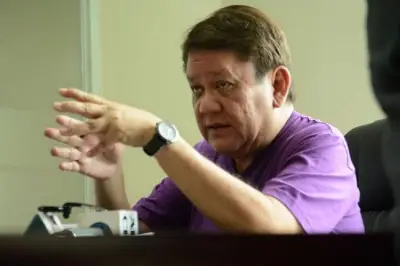
Documents made public on Thursday, December 25, 2025, by Batangas 1st District Representative Leandro Legarda Leviste reveal that Cebu’s 7th Congressional District was allocated a staggering P32.87 billion from the Department of Public Works and Highways (DPWH) budget covering 2023 to 2026. This sum represents the largest share for any district in Central Visayas.
This allocation for the 7th District, which includes the towns of Dumanjug, Ronda, Alcantara, Moalboal, Badian, Alegria, Malabuyoc, and Ginatilan, surpasses the combined DPWH funding for the highly urbanized cities of Lapu-Lapu, Mandaue, and both districts of Cebu City. The district was represented by former representative Peter John Calderon during the period covered.

Following the 7th District on the regional list are Bohol’s 3rd District with P19.84 billion and Cebu’s 1st District with P16.38 billion. The total DPWH budget for Central Visayas for the four-year period stands at P177.23 billion.
How Billions Are Allocated: The Two-Track System
To understand these figures, one must examine the two primary funding mechanisms identified by Rep. Leviste. The data, sourced from DPWH records approved by Secretary Vince Dizon, covers a period including the proposed 2026 national budget.
The first type is Allocable funding, also known as National Expenditure Program Restored. This portion, roughly P401.3 billion nationwide for 2025, allows district representatives to recommend specific local projects, averaging about P30 million per district last year.
The second and far larger portion is Outside Allocable funding. This constitutes the bulk of the money and comes from projects initiated via amendments or insertions during budget deliberations in the House of Representatives, the Senate, or the Bicameral Conference Committee.
Leviste clarified a crucial point: while lawmakers are associated with these funds, the money is not released directly to them. Instead, it is used solely by the DPWH for the implementation of the identified projects.
Why the Funding Gap Sparks Debate
The scale of the disparity is monumental. For the year 2025 alone, Cebu's 7th District received P11.63 billion in DPWH funds. In stark contrast, Cebu City’s 1st District was allocated only P2.02 billion for the same period.
These numbers matter profoundly because infrastructure funding directly translates to roads, bridges, flood control systems, and other public works that dictate the pace of regional development. When one district receives a disproportionately large share, it raises critical questions about whether the government's parametric formulas for balancing budgetary needs are working or if political influence is skewing the distribution.
The release of these documents follows the death of former DPWH undersecretary Maria Catalina Cabral on December 18, 2025. Cabral had reportedly provided Leviste with the initial data explaining the department's High-Level Budget Allocation Formula and was previously at the center of congressional probes into flood control funding.
On the verification of the numbers, Leviste stated the uploaded data for 2023-2026 was based on DPWH information approved by Secretary Dizon and matched official budget summary documents.
SunStar Cebu sought comment from former representative Peter John Calderon regarding the 7th District's top-tier allocation on Friday, December 26, but has not received a response as of this reporting.

The Larger Implications and What Comes Next
This revelation fuels the ongoing national debate over budget insertions and the transparency of the General Appropriations Act (GAA) process. It highlights the perennial tension between geographic necessity and legislative influence in determining where government resources flow.
The figures for the 2026 budget are not yet final and may still be adjusted during the GAA's final approval. Observers will be closely watching the results of ongoing congressional probes into budget practices and whether the DPWH will provide further public justification for the historic funding levels directed to Cebu's 7th District.
The data ultimately forces a fundamental question about equity and priority in national spending: Is the system designed to address the most pressing infrastructure needs, or does it inherently favor districts with powerful political champions?