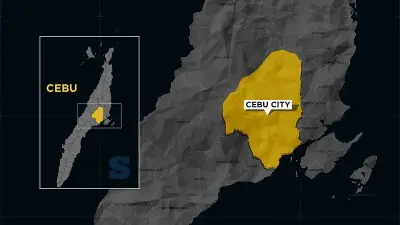

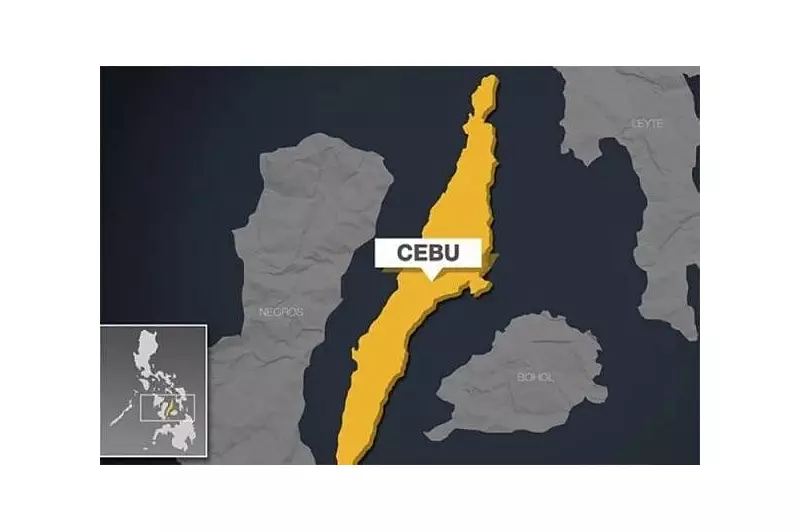
The disclosure of a staggering P32.87 billion infrastructure allocation for a single congressional district in Cebu has ignited a fierce debate, pulling back the curtain on the intricate and often shadowy mechanics of the Philippine national budget. This controversy, centered on the former 7th District of Cebu, underscores a fundamental governance dilemma: balancing a lawmaker's mandate to deliver projects to their constituents against the systemic peril of creating vast regional funding disparities across the nation.
The Cebu Controversy and the Cabral Files
At the core of the dispute are documents released by Batangas 1st District Representative Leandro Legarda Leviste, known as the "Cabral Files." These records, allegedly originating from the late DPWH Undersecretary Maria Catalina Cabral, reportedly detail nationwide budget insertions totaling P3.5 trillion in infrastructure spending from 2023 to 2026. They show that the Cebu 7th District, formerly represented by Peter John Calderon, received the largest share in Central Visayas at P32.87 billion in Department of Public Works and Highways (DPWH) allocations for the 2023-2026 period.
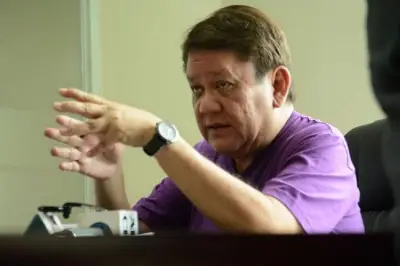
In response, Calderon clarified that he did not "control" these billions, emphasizing that the vast majority were DPWH-driven national projects like roads and flood control. He stated his personal discretion was limited to roughly P150 million to P200 million per year for local needs such as barangay road concreting and multipurpose buildings.

Decoding the Budget Mechanism: Allocable vs. Non-Allocable
The controversy highlights a critical, technical distinction in the budget process that has real-world consequences. "Allocable" funds, also referred to as "NEP Restored," are the portions—typically the P150-200 million per district—that representatives can directly recommend annually for their constituencies.
However, the massive P32.87 billion figure largely falls under "outside allocable" or "non-allocable" funds. These are much larger sums inserted during high-level budget deliberations in the House, Senate, or Bicameral Conference Committee. This practice persists despite the Supreme Court abolishing the formal Priority Development Assistance Fund (PDAF), raising persistent questions about whether infrastructure spending is guided by geographic need or political influence.
Both Leviste and Calderon agree on one key procedural safeguard: all projects, regardless of source, are implemented by the DPWH. This means the agency handles bidding, contracting, and supervision, preventing the direct release of cash to lawmakers.
National Repercussions and the Path Forward
The revelation has created clear divisions. Leviste, advocating for transparency, stated he gave the DPWH time to authenticate the documents to "test whether the agency would deny, conceal, or confirm their authenticity." He has already presented the files to the Independent Commission for Infrastructure and the Office of the Ombudsman in November 2025, suggesting potential legal scrutiny.
The Executive branch has adopted a cautious stance. Palace Spokesperson Claire Castro indicated they would only respond to documents "authenticated by the DPWH." All eyes are now on DPWH Secretary Vince Dizon, whose formal verification—or lack thereof—of the Cabral Files will determine if this escalates from a political dispute into a full audit of the national infrastructure plan.
For the average Filipino, the technical debate translates into tangible concerns about equity. The concentration of billions in one district forces the question: why are some areas receiving repeated infrastructure upgrades while neighboring provinces lack basic connectivity? The Ombudsman's review may ultimately decide if this lopsided allocation constitutes a breach of fiscal fairness, setting a precedent for how the Philippines funds its future development.