The Failing Taxi System: How Political Convenience Trumps Passenger Welfare
Every time a commuter steps out of a taxi feeling more stressed than when they entered, another fragment of trust in the public transport system vanishes. This erosion of confidence is not merely the result of isolated incidents involving rude drivers or single bad experiences. Rather, it reflects a disturbing normalization of substandard service that has become widely tolerated across the industry.
A Systemic Refusal to Improve
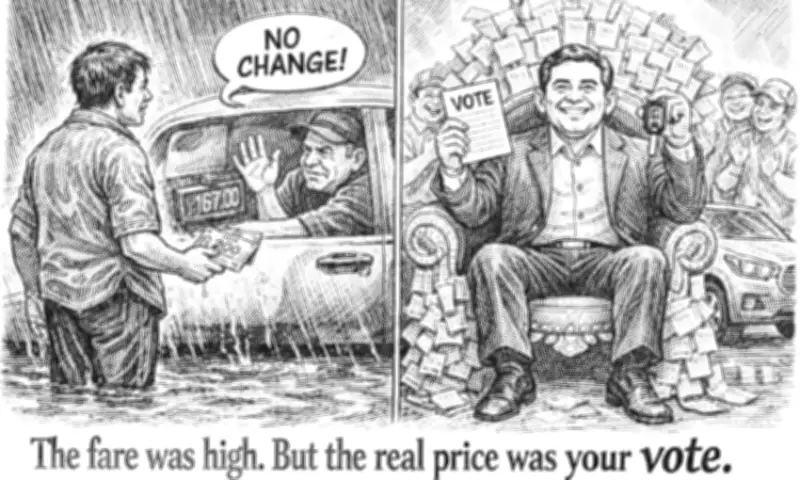
The decline of the taxi sector in the Philippines cannot be attributed solely to external competition from ride-hailing apps and modern transport alternatives. At its core, the industry is suffering from an entrenched refusal to implement meaningful improvements. Instead of addressing fundamental flaws, those in positions of authority continue to shield the status quo. This protectionism is not driven by concern for commuter welfare but by political calculations aimed at securing votes from transport sector blocs.
Regular taxi users are all too familiar with the routine disappointments. Many vehicles are dirty, technologically outdated, and questionably roadworthy. Drivers frequently exhibit rude behavior or inattentiveness, while functional issues like "broken" meters, "non-working" receipt printers, and "unavailable" change are commonplace excuses. Requests for cashless payment options often meet with dismissive responses, shifting responsibility away from service providers.

Regulatory Failure and Political Inaction
What exacerbates this situation is the public's growing expectation of poor service, which has become unsurprising. As commuters adjust their expectations downward, regulatory bodies and politicians fail to enact necessary reforms. Rather than embracing clean, efficient, and technology-driven transport solutions, many officials block progress to avoid alienating a vote-rich transport sector.
Initiatives such as green vehicle fleets face deliberate stalling, cashless payment systems encounter unnecessary delays, and innovation is buried under bureaucratic paperwork. The underlying motivation remains fear of losing electoral support from driver associations in upcoming elections.
The Consequences for Commuters
The result is a commuting public trapped in a deteriorating system—both literally in traffic and figuratively in terms of limited options. Passengers experience no meaningful upgrades, diminished accountability, and the same exhausting rides that reinforce a perception that those in power no longer prioritize rider interests.
This scenario reflects a broader disappearance of political will dedicated to genuine public service. The taxi industry is not being unfairly bullied by competitors; it is being systematically outclassed by newer systems that recognize passenger satisfaction as a fundamental priority.
Broader Implications for Public Systems
Unless political leaders cease protecting poor service for electoral gains, the negative impacts will extend beyond taxis. This pattern risks bleeding into every public system held hostage by operators who demand concessions while offering little in return. The system cannot self-correct without external pressure, but it can be replaced through concerted public action.
If public officials persistently fail to advocate for commuter welfare, the electorate may need to reconsider their voting choices to demand accountability and change.