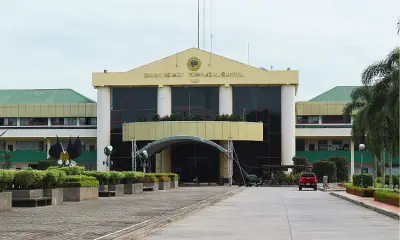

In a decisive move to address a serious breach of discipline, Philippine National Police (PNP) chief General Jose Melencio Nartatez Jr. has ordered a significant change of leadership within the Philippine National Police Academy (PNPA). This action comes in the wake of a disturbing hazing incident that involved 29 cadets, highlighting systemic issues within the institution.
Investigation and Charges Recommended
Nartatez revealed that the Directorate for Investigation and Detective Management (DIDM) has formally recommended the initiation of a pre-charge investigation. This investigation targets PNPA director Major General Andre Dizon and eight other PNPA officers for their alleged lapses in connection with the hazing incident. According to Nartatez, these lapses constitute a breach of internal discipline and warrant both criminal and administrative scrutiny.
"So, that's for the criminal aspect as well as the aspect for the filing of administrative charges," he stated, underscoring the dual nature of the legal actions being pursued.

Leadership Reshuffle Announced
As a direct consequence of the investigation, Nartatez announced that a reshuffle or movement within the PNP organization is imminent. He emphasized that this is particularly necessary since the individuals under investigation include high-ranking officers: a two-star officer and a commandant who holds a one-star rank. Both are now subjects of the approved pre-charge investigation, signaling a top-down approach to accountability.
"As a result, there will be a reshuffle or movement within the PNP organization, especially since those involved include a two-star officer and another commandant who is a one-star officer, both of whom are subjects of the pre-charge investigation that I have approved," he added, reinforcing the commitment to organizational reform.
Details of the Hazing Incident
The hazing incident reportedly occurred on April 3, involving a brutal punishment where 22 fourth-class cadets sustained burns and injuries. They were doused with a dangerous mixture of drain cleaner and muriatic acid, a punishment allegedly meted out in response to the resignation of a classmate. This act has drawn widespread condemnation for its severity and violation of human rights.
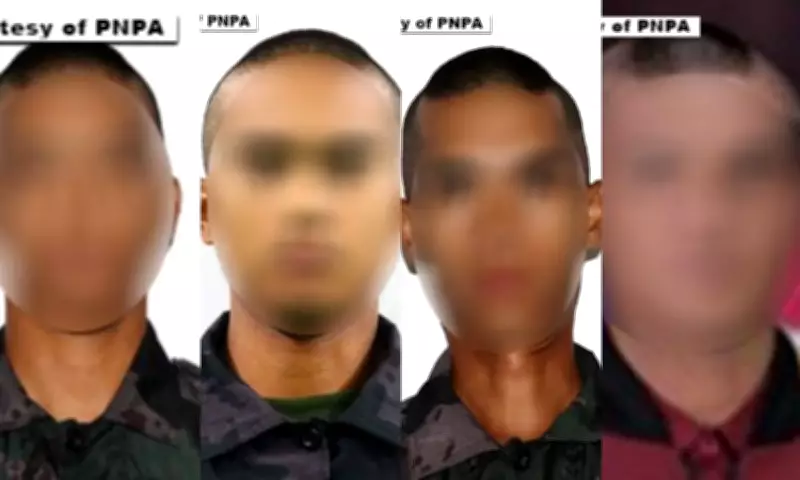
In response to the incident, three third-class cadets—identified as Miko L. Escalante, Harold L. Heje, and Lance Gayramon—were arrested on April 7. They have been charged with violating Republic Act 11053, also known as the Anti-Hazing Act, which imposes strict penalties for such offenses.
Further Investigations Underway
Nartatez indicated that the investigation is expanding, with two more third-class cadets and two second-class cadets now being considered persons of interest for their alleged participation in the hazing. This suggests that the incident may involve a broader network within the academy, prompting a more comprehensive review of cadet conduct and supervision.
National Police Commission Calls for Institutional Changes
Meanwhile, the National Police Commission has issued a strong directive for sweeping, bold, and decisive institutional changes at the PNPA. The agency aims to root out and eliminate what it describes as a "culture of hazing" within the academy, emphasizing that such practices are not only illegal but also an affront to human dignity.
The commission stressed that the PNPA must uphold discipline that is firmly anchored in respect for human rights and accountability. This call for reform aligns with broader efforts to ensure that law enforcement training institutions adhere to the highest ethical standards and legal compliance.
This incident has sparked a national conversation about the need for stricter enforcement of anti-hazing laws and the importance of fostering a culture of respect and safety within military and police academies. The PNP's proactive measures, including the leadership change and ongoing investigations, are seen as critical steps toward restoring public trust and ensuring the welfare of cadets.