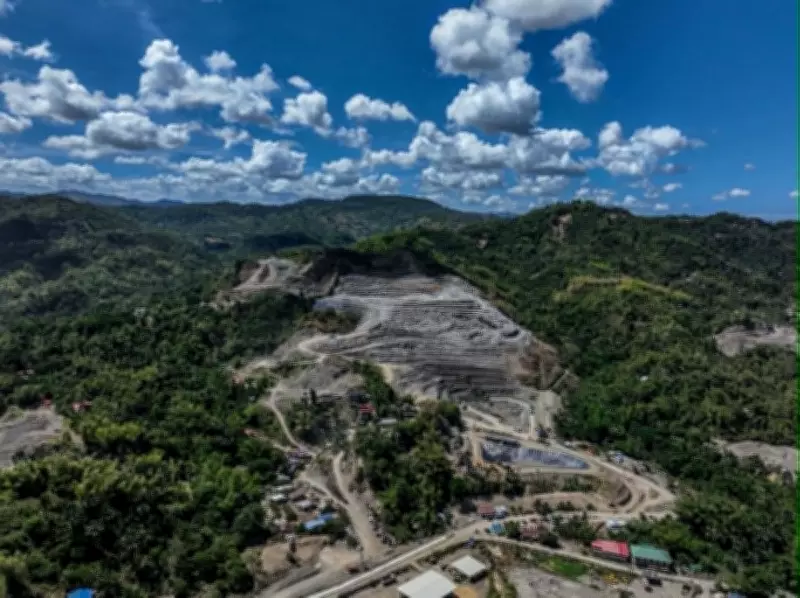
Cebu City officials continue to block dumping operations at the Binaliw landfill, insisting on independent safety checks before any reopening, despite approval from the Department of Environment and Natural Resources (DENR). The standoff follows a deadly trash slide on January 8 that killed 36 people, raising serious concerns about the landfill's stability.
DENR Approval vs. City Demands
The DENR recently granted a partial permit to landfill operator Prime Integrated Waste Solutions (PWS), stating that certain engineered sections are now stable enough to handle waste. However, Mayor Nestor Archival has halted the reopening, demanding an independent review beyond the national government's assessment. For City Hall, an environmental permit alone is insufficient to guarantee safety for workers and nearby residents.
What Is a Partial Reopening?
A landfill is built in sections called cells. The DENR did not clear the entire area where the landslide occurred but approved two specific zones: an interim cell and a new cell at the base of the landfill. Placing waste at the base is intended to create a counter-weight to stabilize the hillside. PWS manager Niño Abellana confirmed that small amounts of waste have been accepted, but the City Council remains skeptical, questioning how these areas can be deemed safe while investigations into the fatal collapse are still ongoing.

High Cost of Caution
While the debate continues, Cebu City's trash must go somewhere. Currently, waste is hauled to Aloguinsan, about 60 kilometers away, at a significantly higher cost:
- Binaliw rate: Approximately P1,100 per ton.
- Aloguinsan rate: Approximately P3,906 per ton (including hauling and tipping fees).
The city is paying a premium for safety, accepting higher fuel costs and increased truck wear and tear to avoid risks at Binaliw. This arrangement is expected to continue at least until the second week of May.
Role of the Waste Crisis Task Force
To regain control, the city established a Waste Crisis Task Force comprising disaster experts and technical professionals. The group evaluates the landfill from a safety perspective, not just a technical one. It also considers the impact on Binaliw residents, who face the return of heavy trucks, odors, and fear of living near a site where a tragedy occurred months ago.
What Happens Next?
The situation remains a stalemate. The DENR maintains that its supervision is strict and the permit can be revoked at any time if risks reappear. Landfill operators argue that limited operations are necessary to fix the site and sustain the business. However, Cebu City is standing firm, finalizing an executive order that will define strict new safety standards. Until the task force completes its independent checks, garbage trucks will bypass Binaliw and head to alternative sites, prioritizing human life over lower costs.