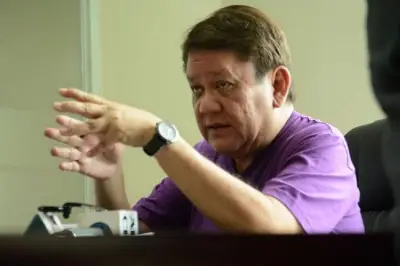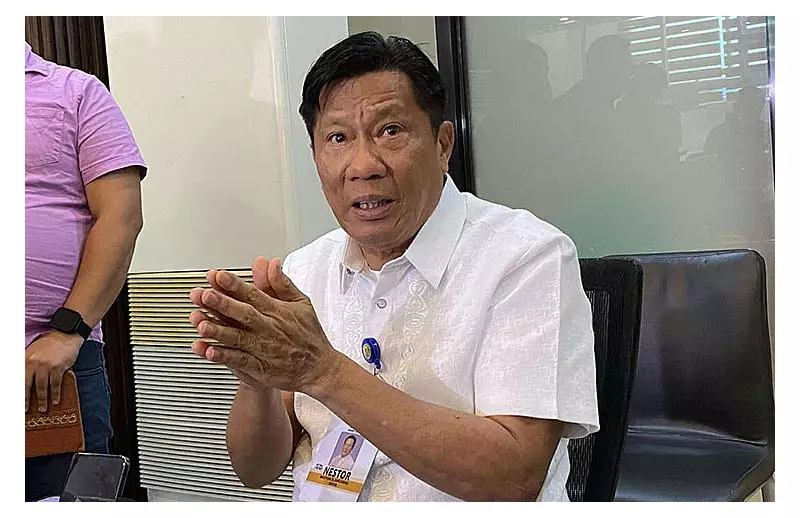
Cebu City Mayor Nestor Archival has taken stock of the significant hurdles and achievements his administration faced in 2025, highlighting budget constraints, natural disasters, and pending obligations as primary challenges. Simultaneously, he laid out a forward-looking agenda focused on development and enhanced disaster preparedness for the coming year.
Confronting Inherited Challenges and Reorganization
Since assuming office on June 30, 2025, Mayor Archival stated that his team had to confront numerous unpaid obligations and initiate a reorganization of city departments to improve service delivery. He admitted expecting minor issues initially but soon discovered problems were more profound, requiring significant corrective measures.
"We have many outstanding obligations, so part of our work is to reorganize our department heads, identify areas needing change, and ensure city departments are operating effectively," Archival said. He explained that budget adjustments were necessary to prioritize urgent needs, especially after the city experienced earthquakes and typhoons in 2025 that demanded immediate fund allocation for relief, rehabilitation, and disaster preparedness programs.

"We need to make tough decisions, including realigning the budget to ensure we can respond effectively to calamities and still deliver essential services to our constituents," the Mayor added.
Key Development and Environmental Priorities for 2026
A top priority for the administration is the completion of the Cebu City Medical Center (CCMC), which is targeted for December 2026. Mayor Archival plans to meet with the contractor to ensure the work is expedited.
Relocation programs for residents living along riverbanks and those affected by Typhoon Tino will continue. The city plans to construct Medium-Rise Building (MRB) relocation sites, while the Lorega Condominium project remains under review.
To combat flooding and improve food security, the city aims to plant 250,000 trees in 2026. "Last December 17, we already planted 60,000 trees, but we have a bigger target for next year," Archival noted. The city government will also continue bridge projects and riverbank strengthening.
Furthermore, Mayor Archival suggested the installation of rainwater catchment systems in barangay gymnasiums by February 2026 to harvest water and help mitigate flooding.
Education and Strict Waste Management Reforms
Education remains a priority through the expansion of scholarship programs for qualified students across the city.
One crucial reform is the strict enforcement of waste segregation, starting in public schools. This is based on City Ordinance 2031, the "No Segregation, No Collection" policy. Under this rule:
- Non-biodegradable waste will be collected on Tuesdays, Thursdays, and Sundays.
- Biodegradable waste will be collected on Mondays, Wednesdays, Fridays, and Saturdays.
In closing, Mayor Archival expressed that 2026 can be a year of progress. He acknowledged that some plans were already set by the previous administration and guaranteed their full implementation under his leadership.
"We faced many challenges this year, but these obstacles have made us stronger in service. Next year, we aspire to make Cebu City more resilient, greener, and more inclusive for everyone," he concluded.