Cebu City residents are experiencing a significant change in their daily routines as garbage trucks no longer make daily rounds through neighborhoods. This shift comes after the city officially transitioned to an "interval-based" waste collection system, a direct consequence of the tragic trash slide that forced the closure of the Binaliw landfill earlier this year.
The Catalyst for Change: A Landfill Disaster
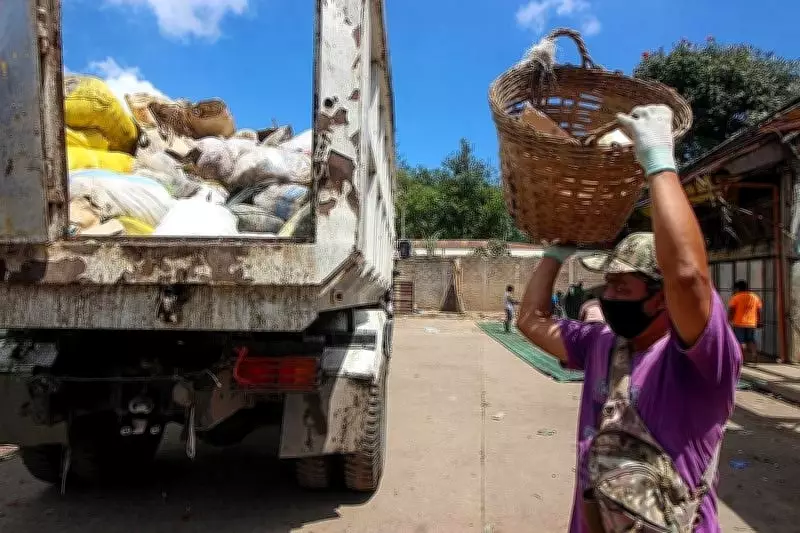
The pivotal moment occurred on January 8, 2026, when a devastating trash slide at the Binaliw landfill led to its immediate shutdown. Since that incident, Cebu City has been struggling to manage its substantial waste output with severely limited disposal options. The city generates an estimated 350 to 400 tons of trash each day, creating a pressing logistical challenge.
Current Disposal Bottlenecks
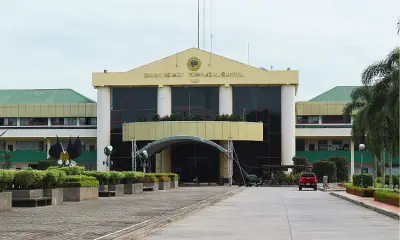
To handle the waste, the city is currently utilizing a private facility located in Consolacion. However, this facility imposes a strict daily limit, accepting only 100 to 150 tons of garbage. This restriction creates a significant bottleneck in the waste management process. Once the daily quota is reached, garbage trucks cannot unload their contents and must remain idle, causing inevitable delays in collection schedules across various neighborhoods.

New Collection Rules and Schedules
Under this interim system, garbage collection now operates on a rotating schedule. Most neighborhoods are assigned specific days, typically following a Monday-Wednesday-Friday or Tuesday-Thursday-Saturday pattern. The rules vary depending on the type of barangay:
- Upland Barangays: Collection is limited to just twice per week. Residents in these areas are now required to manage their own biodegradable waste, such as food scraps, directly on their properties.
- Urban Barangays: While trucks follow designated collection days, they often encounter "standby" periods where they must wait for their turn at the landfill before returning to complete their routes.
The city is strictly enforcing mandatory waste segregation to reduce the overall weight of collected trash. Residents must separate items like plastic bottles before the arrival of collection trucks.
Infrastructure Challenges and Community Concerns
Transporting waste has become increasingly difficult due to infrastructure issues. Heavy rains in early February damaged the roads leading to the Consolacion facility, making them hazardous for heavy trucks. In areas such as San Nicolas Proper, this has resulted in cancelled pickups altogether.
Barangay captains have voiced serious concerns about the system's limitations. They note that even a single day's delay in collection can cause trash to accumulate rapidly in densely populated neighborhoods. This buildup raises legitimate worries about unpleasant odors and potential health risks for residents.
Debate Over Binaliw's Future
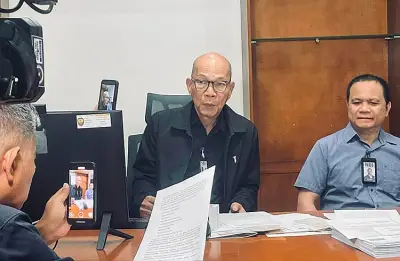
While the city manages the current crisis, a political debate is emerging regarding the potential reopening of the Binaliw landfill. Councilor Joel Garganera recently questioned Mayor Nestor Archival's interest in utilizing "three remaining hectares" at the Binaliw site that were unaffected by the slide.
In an interview with SunStar's Beyond the Headlines on February 10, 2026, Garganera pointed out that the mayor mentioned this option merely three days after the disaster, while search operations were still ongoing. Garganera argued that the city must prioritize a transparent investigation and comprehensive safety assessments before even considering a return to the site.
Looking Ahead: An Uncertain Future
The city faces a looming deadline as its current agreement with the Consolacion landfill is set to expire in March. This situation leaves Cebu City with limited time to either find a new long-term waste disposal solution or negotiate an extension of the existing arrangement.
In the meantime, city officials are accelerating road repairs and establishing new recovery facilities to help filter and process waste. The critical question remains unanswered: if a new disposal site isn't secured by March, where will the city's 400 tons of daily trash go?