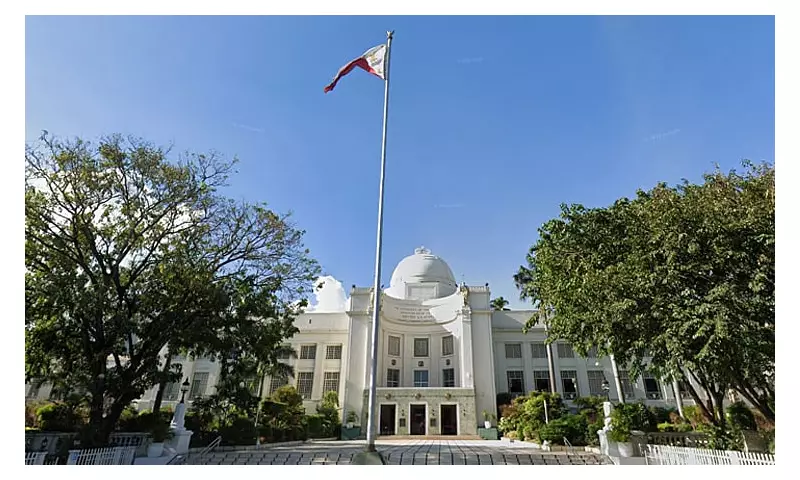
The legislative arm of the Cebu Provincial Government has been highly active, passing a significant number of measures aimed at improving public welfare and governance. Since July 2025, the Provincial Board (PB) has approved 13 ordinances and 1,705 resolutions, tackling crucial areas from healthcare to budget transparency.
Key Legislative Achievements and Public Access
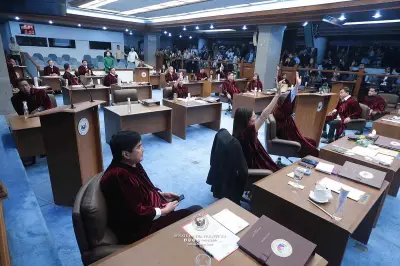
Under the leadership of Vice Governor Glenn Anthony Soco, who presides over the board, the PB has taken a major step towards transparency. To make its deliberations more accessible to Cebuanos, the board has begun livestreaming its regular sessions on its official Facebook page, "Beyond Legislation." This move allows citizens to witness the legislative process firsthand.
Notable Ordinances and Budgetary Actions
The slate of approved ordinances includes several landmark pieces of legislation. Among them are laws to establish a provincial healthcare network and to strengthen the province's disaster risk reduction and management capabilities. Other important measures promote transparency in foreign aid utilization, enforce drug-free workplaces across the provincial government, and advance programs for youth development.

On the fiscal front, the board gave its nod to a supplemental budget exceeding 306 million pesos for the year 2025. This budget is intended to cover additional operational expenses for various legislative offices. Furthermore, an ordinance was passed allowing each board member to create satellite offices, potentially bringing government services closer to constituents in their districts.
Support for Students and Disaster Response
In the education sector, the PB enacted amendments to the Cebu Province Grants Intended for Tertiary Students program. These changes expand both the coverage and the funding available to qualified Cebuano scholars enrolled in public colleges and universities across the nation.
The board also exercised its emergency powers in response to natural calamities. It officially declared a state of calamity in areas ravaged by the Magnitude 6.9 earthquake on September 30 and later by Typhoon Tino on November 4. This critical declaration enabled the provincial government to implement price controls on essential goods and to access and utilize disaster response funds more swiftly and broadly for relief and rehabilitation efforts.
The collective output from July to December 2025 demonstrates the Cebu Provincial Board's focused agenda on legislation that addresses immediate public needs, enhances government accountability, and builds long-term resilience for the province.