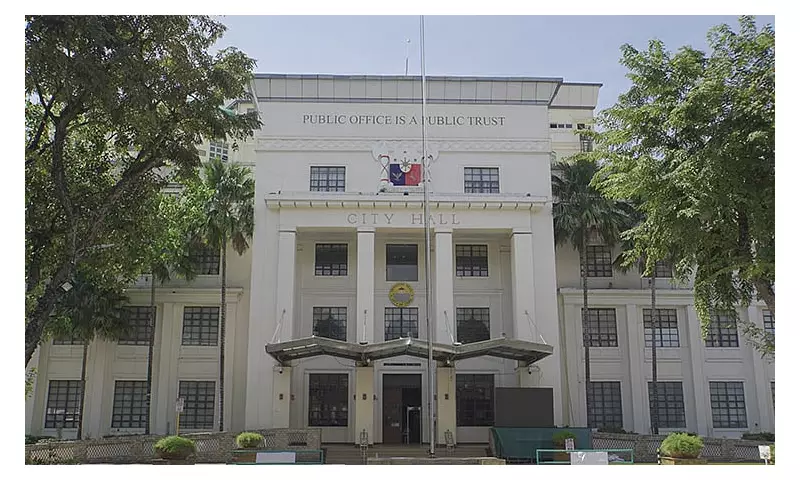
The Cebu City Council is championing a significant initiative to bring government services directly to the people in the city's upland communities. A resolution has been filed advocating for the establishment of a satellite office of Cebu City Hall in the mountainous barangays, aiming to bridge the gap between residents and essential public services.
Addressing the Uphill Struggle for Services
Councilor Pastor Alcover Jr. is the principal author of the resolution, which highlights the considerable difficulties faced by upland residents. Currently, these individuals must undertake long and often costly journeys to the city center just to access basic government transactions. The resolution underscores that this travel is not merely an inconvenience but a genuine burden that affects livelihoods and household finances.
The services targeted for decentralization include the processing of business permits, community tax certificates (cedula), social welfare documents, medical assistance, and tax assessments. The measure specifically aims to assist vulnerable sectors who are disproportionately impacted by the travel, including farmers, senior citizens, Persons with Disabilities (PWDs), and daily wage earners.

Proposed Location and Legal Basis
The identified site for the proposed satellite office is the Cebu City Resource Management and Development Center (Cremdec) in Barangay Taptap. The resolution notes that this location has adequate space and existing infrastructure suitable for government operations. Its central position among clustered upland barangays and accessibility via city and barangay roads make it a practical and strategic choice.
Furthermore, the legislative measure cites that this move to decentralize and distribute government services aligns with the mandates of Republic Act No. 7160, also known as the Local Government Code of 1991. This law empowers local government units to enhance the delivery of basic services to their constituents.
Impact on Community and Governance
The establishment of a satellite office is expected to yield immediate positive effects. By cutting down travel time and transportation expenses, it will provide tangible economic relief to households. More importantly, it will make governance more inclusive and responsive, ensuring that residents in remote areas are no longer marginalized in accessing the services they are entitled to.
This proactive step by the Cebu City Council, led by Councilor Alcover, represents a concrete effort to translate the principle of bringing government closer to the people into reality. If implemented, it could serve as a model for other local governments with similar geographically challenging communities.