
Bernos Lawmakers Push for Unified Social Services System Across LGUs
Solid North Party-list Representative Ching Bernos and Abra Lone District Representative JB Bernos have called for the creation of a single window system for all social services in every local government unit. This initiative aims to ensure easier access and faster service delivery for Filipino citizens, addressing long-standing bureaucratic hurdles.
House Bill No. 7465: The ACCESS System Proposal
House Bill No. 7465 proposes the establishment of an Accelerated Citizen-Centered Social Services System, known as the ACCESS System, in all LGUs. This system would serve as a unified access point for government social services through both physical service centers and a comprehensive digital platform.
The ACCESS System is designed to facilitate access, intake, coordination, referral, and tracking of various government social services. It will streamline processes that currently require citizens to navigate multiple offices, reducing delays and confusion.

Comprehensive Service Integration
The proposed system encompasses a wide range of critical social services, including:
- Social welfare and assistance services provided by the Department of Social Welfare and Development.
- Health and social insurance services, including PhilHealth membership registration, updating, verification, and information services.
- Social security and retirement services, covering registration, contribution inquiries, and benefit application assistance for the Social Security System and the Government Service Insurance System.
- Housing and savings services, including membership and program assistance under the Pag-IBIG Fund.
- Employment and labor assistance programs of the Department of Labor and Employment and Public Employment Service Offices.
- Civil registration and identity services, such as facilitation of birth, marriage, and death registration under the Philippine Statistics Authority, and services related to the Philippine Identification System.
- Local government social services, including programs for senior citizens, persons with disabilities, solo parents, scholars, indigent residents, and other priority sectors.
Key Functions of the ACCESS System
The ACCESS System will serve as the primary entry point for individuals seeking government social services. Its core functions include:
- Providing standardized intake, documentation assistance, and referral services to ensure consistency across all LGUs.
- Coordinating with concerned agencies for efficient application processing and follow-up, minimizing bureaucratic delays.
- Establishing a unified tracking or reference system for service requests, allowing citizens to monitor their applications in real-time.
- Offering comprehensive information on eligibility criteria, required documents, and processing timelines to enhance transparency.
- Maintaining both physical service centers and digital access platforms to cater to diverse citizen needs, whether in-person or online.
Lawmakers Emphasize Citizen-Centric Approach
Representative Ching Bernos highlighted that the proposed measure aligns with the principle that local governments should serve as the first line of assistance for the people. "Through ACCESS, Filipinos can simply go to their respective LGUs to avail of social services that they need. The people should not be burdened by making them hop to different offices to find out what assistance they could get from the government," she stated in a recent news release.
Meanwhile, Representative JB Bernos emphasized the urgent need for the government to simplify its processes, particularly regarding social services. He stressed that considering the critical nature of these concerns, streamlining access is essential for effective public service delivery.
Background and Context
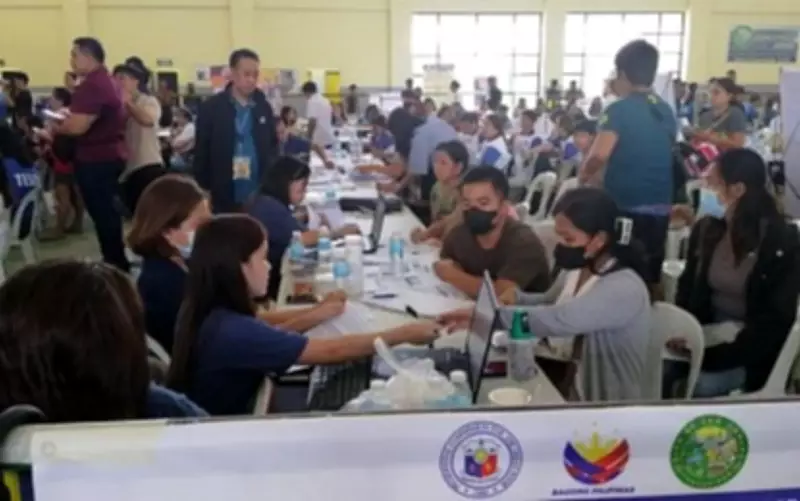
This legislative push comes amid ongoing efforts to improve government service efficiency. For instance, over 2,000 residents recently benefited from various services at a government caravan held at the Agdao Mega Complex in San Carlos City, Pangasinan on November 29, 2024. Such events underscore the high demand for accessible social services and the potential impact of a unified system like ACCESS.

The proposal represents a significant step toward modernizing social service delivery in the Philippines, aiming to reduce red tape and enhance citizen satisfaction through integrated, technology-driven solutions.