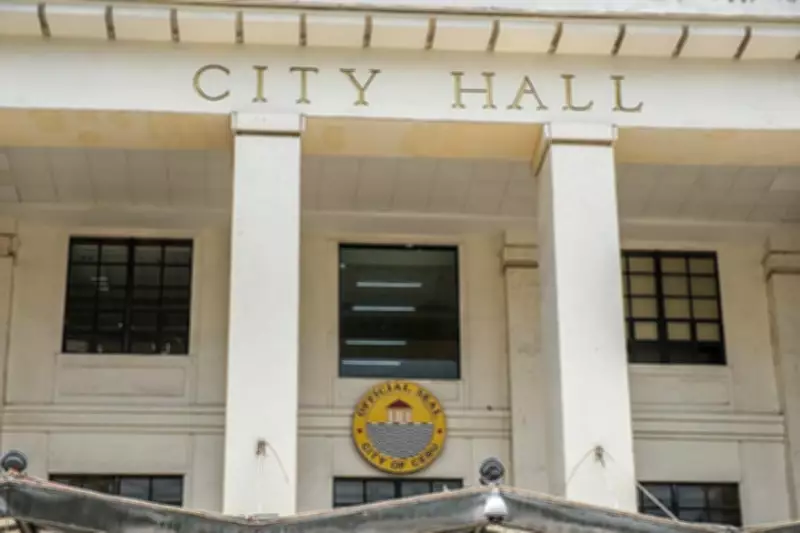
Cebu City Council is actively considering a groundbreaking proposed ordinance that would integrate existing liquor and traffic regulations into a unified code, specifically designed to mitigate alcohol-related disturbances and reduce road accidents across the city.
Proposal Details and Background
The measure, officially titled the "Cebu City Responsible Alcohol Service and Road Safety Code of 2026," was introduced by Councilor Michelle Abella-Cellona. It aims to consolidate several city ordinances, including numbers 1413, 2775, 1929, and 2612, which currently govern liquor licensing, public drunkenness, and speed limits separately. Abella-Cellona emphasized that this consolidation addresses what she describes as a fragmented regulatory system, aligning enforcement efforts with the city's expanding nightlife scene.
The proposal was filed just weeks after a tragic hit-and-run incident in Barangay Banilad on February 8, 2026, which resulted in the death of 23-year-old young businessman Kingston Ralph Ko Cheng. This event has underscored the urgent need for enhanced safety measures. Additionally, fellow councilors Pablo Labra II and Kendrick Go have proposed related ordinances focusing on the regulation of alcohol consumption in bars, highlighting a broader legislative push for public safety.

Shared Responsibility Framework
The ordinance frames alcohol control as a shared responsibility among government entities, businesses, and motorists. Key provisions include requiring liquor-serving establishments to secure proper permits and avoid operating near sensitive locations such as schools, churches, hospitals, and government offices. These establishments must continue to enforce age restrictions, prohibiting sales to individuals under 21 and refusing service to visibly intoxicated patrons.
To enhance road safety, businesses must implement a vehicle key collection system. This involves securely storing keys from customers who arrive in private vehicles, recording identification details, and releasing keys only if patrons meet the allowable blood alcohol limits under Republic Act 10586. Alternatively, keys can be retrieved the next day when sober. If a customer refuses a breathalyzer test, establishments are mandated to withhold keys until sobriety is confirmed.
Each establishment is required to maintain a calibrated breathalyzer and trained personnel, as well as provide safe departure options like ride-hailing services or overnight parking facilities.
Penalties and Enforcement Mechanisms
Under the proposed ordinance, authorities would have the power to intervene in cases of public intoxication that cause disturbances or pose risks. Penalties for such offenses include a fine of P3,000 or potential imprisonment. Refusal to undergo a legal sobriety test would establish a rebuttable presumption of intoxication, strengthening enforcement capabilities.
For establishments, violations would trigger escalating penalties:
- First offense: A written warning.
- Second and third offenses: A P5,000 fine and possible suspension of the liquor license.
- Subsequent violations: Revocation of business permits, ensuring strict compliance.
Integrated Speed Regulations
The proposal also integrates existing speed rules, advocating for stricter enforcement in high-risk areas and nightlife zones. Penalties for speeding violations are structured as follows:
- First offense: A P2,000 fine and mandatory attendance at a safety seminar.
- Second offense: Increased penalties, including higher fines.
- Third and subsequent offenses: A P3,000 fine, vehicle impoundment, and potential imprisonment of at least 30 days.
Drivers exceeding speed limits by more than 30 kilometers per hour could face additional fines of up to P2,000, with total fines capped at P5,000. Unpaid fines would accrue a monthly interest rate of 1%, incentivizing timely payments.