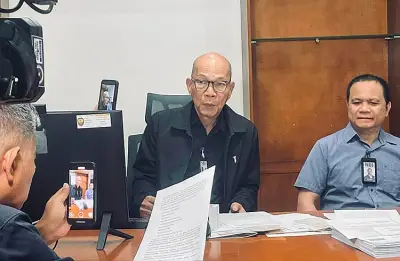
Cebu City Mayor Nestor Archival has officially declared a heightened state of economic and operational preparedness for the city, citing the potential surge in global oil prices driven by ongoing tensions in the Middle East. This proactive measure aims to mitigate the adverse effects on essential services and public finances.
Immediate Measures to Curb Oil Consumption
On Wednesday, March 4, 2026, Mayor Archival emphasized that escalating oil prices could significantly impact transportation, food supplies, and other basic commodities. In response, he has mandated all city departments to implement strict conservation measures for fuel usage.
Government vehicles are now required to be utilized efficiently and solely for critical services, ensuring uninterrupted public service delivery while safeguarding municipal funds. "We must protect public funds to guarantee continuous service provision to our citizens," Archival stated in his advisory.

Escalating Waste Management Costs
The mayor also highlighted the looming increase in waste disposal expenses. Currently, the city allocates approximately P500 million annually for this purpose. However, with residual waste now being transported to Aloguinsan, hauling and fuel costs could inflate the budget to P1 billion, potentially reaching P1.5 to P2 billion depending on global oil price fluctuations.
"This is a serious financial responsibility," Archival explained. To reduce these costs, he urged residents to segregate waste, compost biodegradable materials, and recycle, thereby minimizing the volume of trash sent to landfills.
Food Security and Resource Conservation
Additionally, Archival warned of possible food price hikes and encouraged households to cultivate homegrown vegetables where feasible. He further advocated for energy and water conservation to lower expenses and strengthen the city's resilience against the economic crisis.
This comprehensive approach underscores Cebu City's commitment to proactive governance in the face of global economic uncertainties.