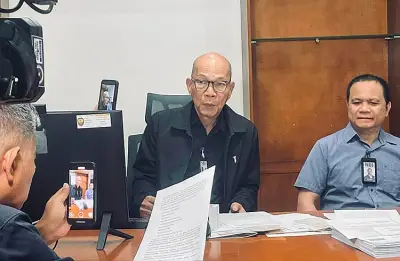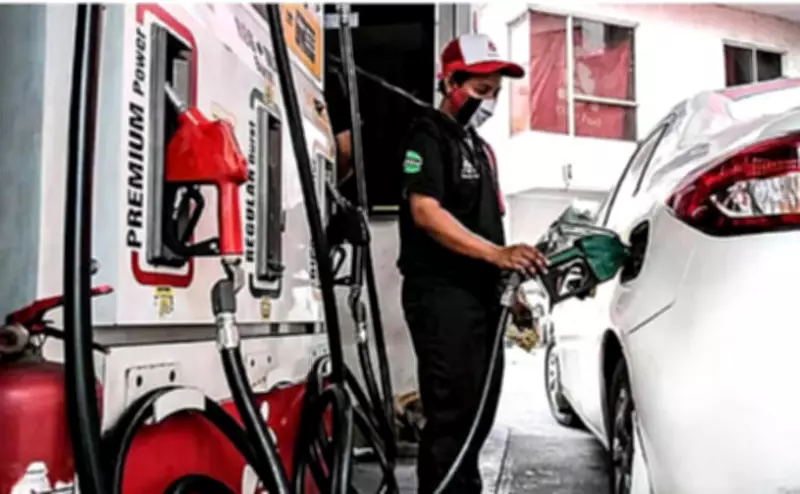
The National Government of the Philippines has initiated a rigorous monitoring program targeting gas stations across the country. This move is part of a broader, intensified strategy to mitigate the impact of escalating global oil prices, which have been driven by ongoing tensions in the Middle East. Malacañang officially announced this development on Saturday, March 7, 2026, underscoring the administration's proactive stance in addressing potential economic disruptions.
Presidential Directive for Preparedness
Palace Press Officer Claire Castro revealed that President Ferdinand Marcos Jr. has issued explicit directives to various government agencies. The President emphasized the necessity of preparing for the far-reaching effects of the Middle East conflict on international oil markets. "The message of President Marcos Jr. regarding our preparedness is appropriate and timely," Castro stated. "The President wants us to be ready for any situation, especially since the current conditions in the Middle East have yet to end."
Whole-of-Government Approach
Castro, citing Energy Secretary Sharon Garin, elaborated that the National Government is adopting a comprehensive whole-of-government approach. This strategy encompasses closer monitoring and stringent enforcement measures directed at fuel retailers to ensure compliance with regulations. "The whole-of-government approach includes the monitoring and discipline of gas stations," Garin affirmed, highlighting the collaborative effort across departments.

Prior to the public announcement, President Marcos had already ordered the preparation of targeted interventions aimed at alleviating the burden on the general public. These measures are designed to safeguard consumers from the adverse effects of volatile oil prices.
Enforcement of Fuel Price Regulations
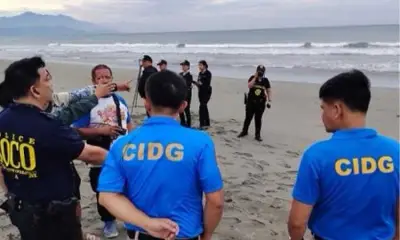
In accordance with the President's directive, Energy Secretary Garin clarified that all fuel price adjustments must adhere to the officially mandated schedule. Unauthorized or premature increases are strictly prohibited to prevent exploitation during this period of uncertainty. To enforce these regulations, the Department of Energy (DOE) has ramped up inspections of fuel stations in coordination with the Department of the Interior and Local Government and the Philippine National Police.
This intensified inspection campaign aims to curb illegal activities such as hoarding, profiteering, and supply manipulation. "It is not the time to sleep soundly and do nothing, because we will be the ones who lose if the government becomes complacent," Garin warned, urging vigilance among all stakeholders.
Assurance of Adequate Fuel Supply
Despite the heightened concerns, Garin reassured the public that there is no justification for panic buying. She emphasized that the country currently maintains an adequate fuel supply, and government agencies are continuously monitoring the situation to ensure stability. "We urge the public to remain calm. The National Government is taking the necessary steps to ensure stable fuel supply and fair pricing nationwide," the DOE declared in an official statement.
Administration's Commitment to Consumer Protection
Garin further explained that the President's directive is a clear manifestation of the administration's deep concern for Filipino households affected by oil price fluctuations. "The message from the President is a manifestation of his concern for our country and each Filipino household. We need to prepare for the impact of the Middle East war in our daily lives. Announcing it is more prudent," she noted.
The DOE has committed to providing regular updates on the evolving situation, ensuring transparency and keeping the public informed. This ongoing effort reflects a dedicated commitment to protecting consumers from price manipulation and maintaining economic stability during these challenging times.