
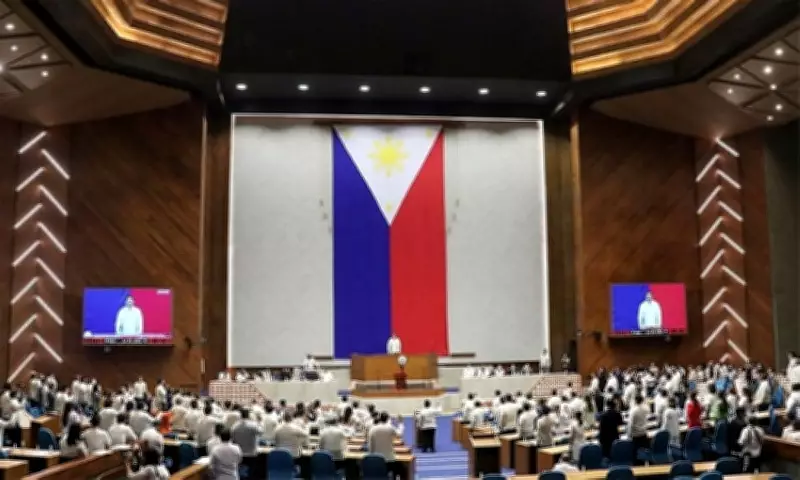
The House of Representatives is urgently advancing a comprehensive package of legislative measures designed to combat escalating fuel costs, with bills anticipated to be finalized and ready for deliberation when Congress reconvenes on May 4, 2026. This proactive initiative aims to provide both immediate relief and long-term structural reforms as global oil prices surge due to ongoing tensions in the Middle East.
Key Reforms Under Consideration
Among the pivotal reforms being fast-tracked are incentives to foster cleaner and more sustainable transportation systems. This includes robust support for electric vehicles and associated industries, which could significantly reduce the nation's reliance on fossil fuels. The Legislative Energy Action Development (Lead) Council, a multi-committee body, is spearheading this effort to align short-term aid with enduring solutions.
Leadership and Timelines
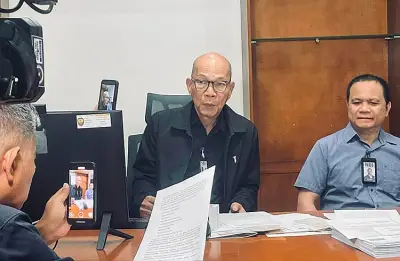
Marikina City 2nd District Representative Miro Quimbo, who chairs the Committee on Ways and Means and serves as presiding officer of the Lead Council, emphasized that lawmakers are diligently working through the congressional break, which began on March 21, to ensure concrete measures are in place upon resumption. "By the end of the month, when we start formal sessions in the first week of May, we will already have proposed measures that will address our urgent needs today," Quimbo stated during a radio interview on April 11, 2026.

He highlighted that the House has conducted extended, back-to-back hearings to expedite the process and deliver tangible results. The planned legislation will tackle both immediate relief from the oil price shock and structural reforms to diminish the country's susceptibility to volatile global price fluctuations.
Incentives and Private Sector Engagement
Quimbo detailed that the package includes incentives to develop a new car program promoting electric vehicle usage not only within government fleets but also through incentives that do not necessitate direct government expenditure. The objective is to cultivate a policy environment that stimulates private sector investment in emerging sectors such as electric vehicles, battery production, and other alternatives to fossil fuels.
The Lead Council, comprising 13 House committees, functions as the central platform for a coordinated response, with legislators targeting the rollout of both short-term relief and long-term solutions to mitigate the impact of rising fuel prices on Filipino citizens.