Philippine Lawmakers Intensify Calls for Emergency Fuel Tax Relief
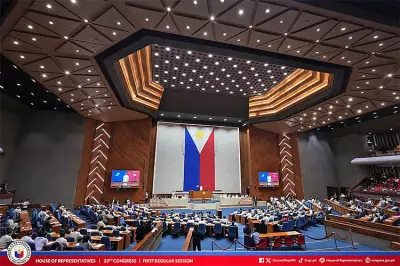
As global oil markets react to escalating conflict in the Middle East, Philippine lawmakers are ramping up demands for emergency measures to protect consumers from rising fuel prices. Senators warn that pump price spikes could quickly ripple through food, transport and electricity costs, threatening economic stability.
Senate Majority Leader Backs Presidential Authority
Senate Majority Leader Juan Miguel Zubiri has expressed strong support for granting President Ferdinand Marcos Jr. the authority to reduce or suspend excise taxes on fuel if the Middle East conflict persists. "I am in favor of granting the president those powers to be able to lower the excise tax on fuel," Zubiri stated. "That move will definitely help cushion the impacts of high fuel costs due to the ongoing conflict in the Middle East."
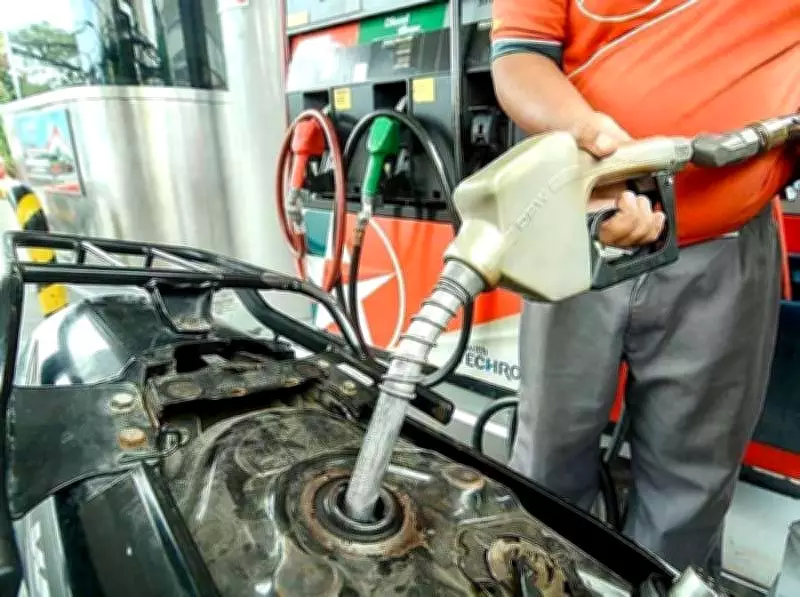
President Marcos has previously signaled he may ask Congress for emergency powers to temporarily cut fuel excise taxes should global oil prices continue their upward trajectory. Under the current Tax Reform for Acceleration and Inclusion law, excise taxes add significant costs to fuel:

- P10 per liter on gasoline
- P6 per liter on diesel
- P3 per liter on kerosene
Zubiri emphasized that suspending or reducing the excise could deliver immediate relief at the pump and temper the value-added tax component tied to the tax, resulting in per-liter savings that extend beyond the excise amount alone.
Warnings of Economic Chain Reaction
"When oil prices suddenly surge, it's not only motorists who are affected," Zubiri cautioned. "Food prices, transport fares, and electricity bills rise as well." He added that the Senate is prepared to act with urgency on time-bound, clearly defined powers for the Executive to address the crisis.
Similar proposals have gained traction throughout the Senate chamber. Senator Francis Escudero urged the Department of Energy to roll out a comprehensive contingency plan to guard against supply disruptions and sharp price swings, noting that the Philippines imports approximately 99 percent of its oil requirements.
"This kind of crisis is not new to us, so the country must be prepared even before the situation worsens," Escudero stated. He called for clear measures to ensure adequate supply, stabilize local markets and protect consumers from sudden price spikes.
Proposed Legislative Measures
Escudero also asked the Department of Trade and Industry to prepare calibrated price monitoring mechanisms and, if necessary, temporary price caps on essential goods should fuel-driven inflation accelerate. He emphasized that transparency and regular advisories from agencies would be crucial to prevent panic-driven behavior in the market.
Senator Francis Pangilinan called for both the suspension of fuel excise taxes and the activation of existing fuel subsidy programs for the transport sector, farmers and fisherfolk. "We have fuel subsidy programs for the transport sector, for farmers, and for fisherfolk because when oil prices rise, small workers, farmers, and fisherfolk bear the brunt of the hardship," he explained.
Pangilinan noted that a temporary suspension of excise taxes could yield savings of P3 to P6 per liter. He also filed proposed Senate Resolution 325 seeking swift government action to ensure the safety of overseas Filipino workers in the Middle East and to address the broader economic impact of the conflict.
Specific Legislative Proposals
Meanwhile, Senator Joel Villanueva filed Senate Bill 1922 authorizing the President, upon recommendation of the finance and energy departments, to suspend or reduce excise taxes on gasoline and diesel once global crude prices reach or exceed $80 per barrel based on the Mean of Platts Singapore benchmark.
"In times of global uncertainty, our government must act with both compassion and prudence," Villanueva stated. He noted that while excise taxes are a key fiscal instrument, extraordinary global conditions warrant calibrated and responsive mechanisms that balance revenue considerations with consumer protection.

Under Villanueva's proposal, the Department of Energy would assess prevailing market conditions while the Department of Finance evaluates inflationary pressures, revenue implications and macroeconomic stability before recommending action to the President. The suspension would be automatically lifted once global oil prices stabilize.
Immediate Market Impact
Last week, even before renewed tensions in the Middle East, local oil firms announced price increases of as much as P1.20 per liter for diesel effective March 3. Industry sources have warned of further adjustments in the coming days, with some estimates pointing to hikes of up to P1.90 per liter.
The flurry of legislative proposals underscores growing concern among policymakers that fuel-driven inflation could undermine economic recovery and household purchasing power if global tensions persist. While lawmakers acknowledged the fiscal trade-offs of suspending excise taxes, they stressed that targeted, time-bound relief—combined with contingency planning and close coordination among agencies—could help shield families, small businesses and key sectors from the worst effects of another global oil shock.