Metropolitan Cebu Water District Unveils Aggressive Recovery Strategy Amid Financial Crisis
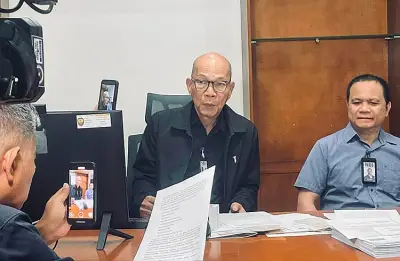
Newly installed MCWD Chairman Almendras presented a sobering financial assessment to officials and employees during a Monday assembly at the water district headquarters, revealing a dire situation that has been concealed from the public for nearly a decade. The Metropolitan Cebu Water District suffered a staggering P768 million loss in 2025 with a negative cash flow of P342 million, creating an urgent need for intervention.
Financial Distress and Consumer Impact
The water district's operational challenges stem from a critical pricing imbalance. MCWD produces or purchases water at P35.70 per cubic meter but sells it for only P1.03 per cubic meter, creating an unsustainable business model. Compounding this issue is the high non-revenue water rate, estimated between 32 to 35 percent of total production, resulting from leaks and theft that cost the district approximately P6.5 million daily.
This financial distress will inevitably affect consumers through increased water prices. The Local Water Utilities Administration has approved the first rate hike scheduled for May 2026, with additional increases likely necessary to return MCWD to profitability. These developments mark a significant shift from the water district's longstanding public messaging that operations remained stable despite various crises.

Five-Year Recovery Blueprint
Despite the bleak financial picture, Almendras emphasized that MCWD remains solvent, with the value of its fixed assets exceeding total losses and liabilities. This foundation supports an ambitious five-year recovery plan designed to restore profitability by 2027 through three key strategies:
- Aggressive new productivity initiatives
- Volume management of bulk water supply
- Repricing tariff rates combined with cost control measures
The plan includes specific operational targets, such as reducing non-revenue water to 20 percent by 2027 through accelerated leak repairs, renegotiating contracts with bulk water suppliers for fairer pricing, extending payment terms to 90 days to ease cash flow constraints, and reviewing tariff structures to ensure larger consumers pay proportionally more while maintaining lifeline rates for low-volume users.
Political and Legal Obstacles
The recovery plan faces significant challenges from ongoing political conflicts and legal ambiguities. Three major obstacles threaten to derail progress:
- The Daluz-Rama conflict over board seats at MCWD
- The legal battle regarding the mayor's authority to dismiss directors, which has disrupted operations at both the water district and City Hall
- Ambiguous regulations concerning LWUA's authority to assume control of water district operations
These institutional conflicts have persisted alongside other crises, including leadership disputes, court battles over appointments, labor union unrest, perceived interference from City Hall, and concerns about LWUA overreach.
Transparency Concerns and Corruption Allegations
For approximately nine years, Cebu City residents have been kept in the dark about MCWD's true financial condition. The water district's public relations office consistently maintained that operations faced no imminent collapse, even as consumers experienced water shortages and queued at public sources.
Vice Mayor Tomas Osmeña raised serious concerns in August 2025, calling for a complete overhaul of the MCWD board and alleging the district was "plagued with all kinds of anomaly." Osmeña described the situation as "alarming" and "out of control," citing unspecified signs of corruption and claiming water was overpriced despite high non-revenue water losses.
Notably, Almendras's recovery plan does not address corruption or irregularities, focusing instead on building a united workforce to implement reforms. However, if Osmeña's allegations prove substantiated, corruption could significantly undermine recovery efforts. As one former board director noted, the situation becomes particularly challenging "if the Mafia is already entrenched there."

Structural Governance Questions
The current crisis raises fundamental questions about governance structures. The near-total exclusion of local government from MCWD affairs, as mandated by the Local Water Utilities Act, may be harming consumer interests, particularly since most affected residents come from Cebu City. This separation has created a disconnect between service providers and the communities they serve, complicating accountability and oversight mechanisms.
As MCWD embarks on its ambitious recovery journey, the district must navigate not only financial rehabilitation but also complex political dynamics, legal uncertainties, and governance challenges that will determine whether Cebu's water security can be restored within the proposed five-year timeframe.