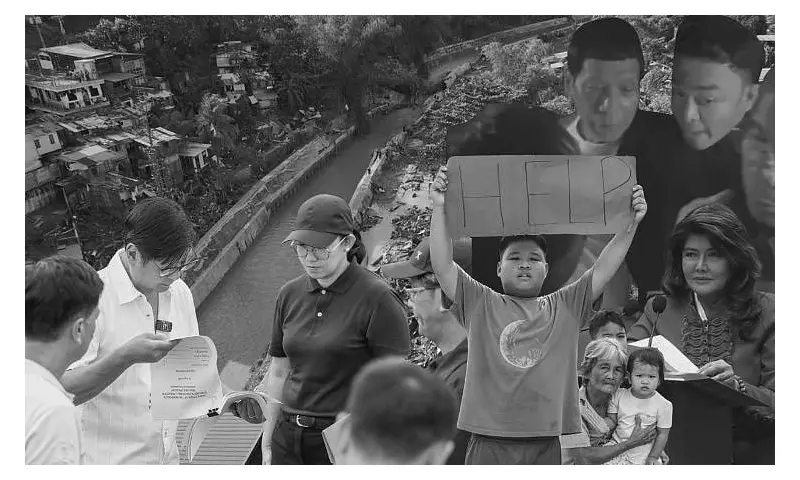
As 2025 draws to a close, the Philippines reflects on a year marked by profound political upheaval, landmark legal cases, institutional reforms, and devastating natural disasters. Five major stories dominated the national consciousness, not only for their immediate impact but for their deeper implications on governance, accountability, public safety, and climate resilience.
1. The Arrest of Former President Rodrigo Duterte
On March 11, 2025, former President Rodrigo Duterte was apprehended by authorities under a warrant issued by the International Criminal Court (ICC). The arrest is part of the court's investigation into alleged "crimes against humanity" linked to his controversial and bloody war on illegal drugs.
The ICC's pre-trial chamber found sufficient grounds to believe Duterte was responsible as an "indirect co-perpetrator" for the killings of thousands of people during his anti-drug campaign between November 1, 2011, and March 16, 2019. This period covers his tenure as mayor of Davao City and as president of the Philippines.

2. Widespread Anomalies in Flood Control Projects
During his fourth State of the Nation Address (SONA), President Ferdinand Marcos Jr. ordered a deep investigation into irregularities within national flood control projects. This directive came in the wake of severe recent flooding that submerged communities and destroyed infrastructure.
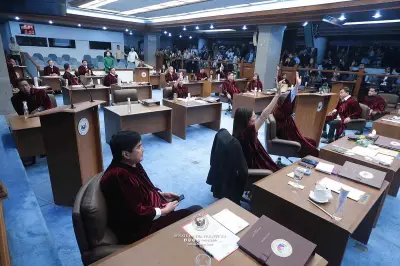
The floods occurred during the peak of the monsoon season and a series of typhoons. Both the Senate and the House of Representatives launched probes, with some of their own members allegedly implicated based on testimonies from contractors and former officials of the Department of Public Works and Highways (DPWH). The controversy sparked significant public outrage and protests demanding transparency.
3. Major Cabinet Revamp Under President Marcos Jr.
In May 2025, President Marcos ordered an immediate re-evaluation of senior government officials, citing a need for "new alignment, faster action, and a results-first mindset."
This move followed his disappointment after his coalition failed to secure a dominant victory in the May 12 midterm elections. Marcos instructed all Cabinet members and senior appointees to submit their "courtesy resignations." Among those whose resignations were accepted were Solicitor General Menardo Guevarra, CHED Chairperson Prospero de Vera III, and DENR Secretary Maria Antonia Yulo-Loyzaga.
A Nation Grappling with Scandal and Disaster
Beyond the halls of power, the year was also defined by shocking personal revelations and nature's fury, testing the nation's social fabric and disaster response.
4. Senator Imee Marcos' Claim that the President is a "Drug Addict"
On November 17, during an anti-corruption rally held by the Iglesia ni Cristo at Quirino Grandstand in Manila, Senator Imee Marcos caused a firestorm by stating that her brother, President Marcos, and his wife, First Lady Liza Araneta-Marcos, were "drug addicts."
She claimed the President had long used cocaine and marijuana, a fact known within their family. The senator alleged the drug use continued and even worsened after he became president and following his marriage to Araneta-Marcos. As the elder sibling, she said she attempted to advise the President but failed because he would not listen to her.
5. Deadly Typhoons and Natural Disasters
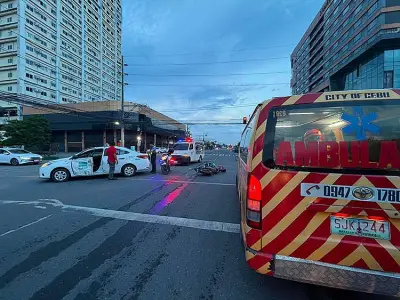
Typhoon Kalmaegi (Tino) made landfall in November, bringing torrential rains and catastrophic flooding, particularly in the Visayas and parts of Mindanao. According to records from the NDRRMC, the death toll from Typhoon Tino exceeded 260, with the highest number of casualties recorded in Cebu, followed by Negros Occidental and Negros Oriental.
The Province of Cebu was severely impacted by Typhoon Tino, just one month after a powerful 6.9 magnitude earthquake struck offshore near Bogo City. That earlier disaster claimed 79 lives and injured 559 others.

Together, these five stories paint a picture of a Philippines in 2025 confronting legacy issues of justice, demanding accountability from its leaders, weathering intense familial and political strife, and battling the escalating impacts of the climate crisis on its vulnerable communities.