Tingog Party-list Endorses PBBM's Call for Temporary Fuel Excise Tax Suspension
In a significant move to address the economic pressures faced by Filipinos, the Tingog Party-list has publicly backed President Ferdinand Marcos Jr.'s proposal to seek congressional authority for a temporary suspension of the excise tax on fuel. This initiative comes amid a persistent surge in global oil prices, largely driven by ongoing conflicts in the Middle East, which have exacerbated financial burdens on households and businesses across the nation.
Advocating for Economic Relief Measures
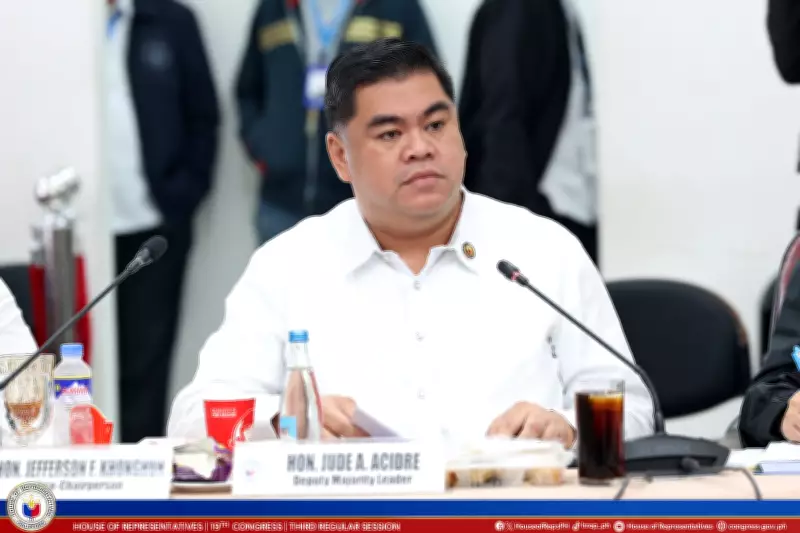
Tingog Party-list Representative Jude Acidre emphasized the urgency of this proposal, stating that it warrants serious consideration to mitigate the adverse effects on vulnerable sectors. "This is a crucial step by the government to shield our citizens from the sudden spikes in oil prices," Acidre remarked. He highlighted that the suspension could provide much-needed respite for Filipino families, transport workers, farmers, and small enterprises struggling with escalating costs.
Acidre further elaborated that the party-list remains committed to supporting policies that offer protection against unforeseen financial or economic shocks. "We will continue to champion measures that safeguard our families, workers, and business sectors from abrupt economic impacts," he affirmed. This stance underscores Tingog's dedication to fostering economic stability and resilience in the face of global market volatility.

Broader Implications and Context
The proposal aligns with broader efforts to cushion the Philippine economy from external pressures, as rising fuel costs often trigger a domino effect on transportation, agriculture, and consumer goods. By temporarily removing the excise tax, the government aims to:
- Reduce the financial strain on low- and middle-income households.
- Support transport workers who rely on affordable fuel for their livelihoods.
- Aid farmers and small businesses in managing operational expenses.
- Stimulate economic activity by lowering costs across various sectors.
As discussions progress in Congress, stakeholders are closely monitoring the potential outcomes of this measure. If implemented, it could serve as a temporary buffer against inflation and enhance the purchasing power of Filipinos, contributing to overall economic well-being during these challenging times.