
Senator Tulfo Advocates for Anti-Epal Law to Halt Politicization of Government Aid
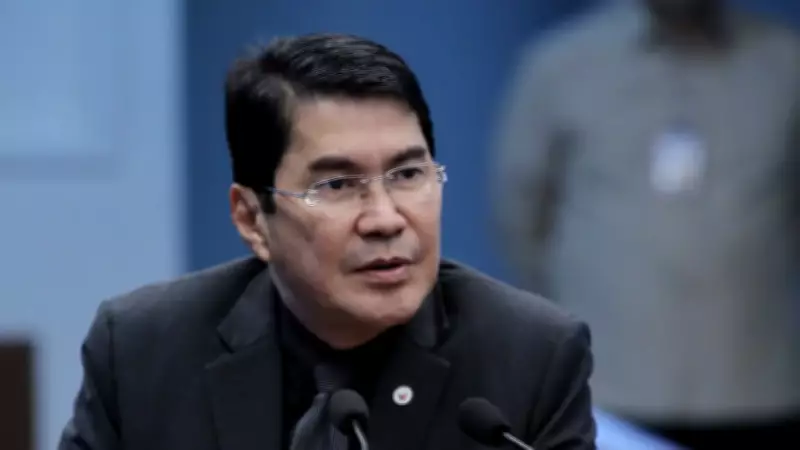
In a recent Senate hearing, Senator Erwin Tulfo made a compelling appeal to expedite the passage of the Anti-Epal Law. This legislative measure aims to curb the misuse of government assistance programs for political purposes, particularly within local government units (LGUs). Tulfo expressed deep concerns over plans to involve LGUs as partners in implementing certain financial aid initiatives, highlighting the need for robust safeguards to prevent abuse.
Concerns Over Local Government Involvement in Aid Distribution
Senator Tulfo emphasized that while LGUs play a crucial role in governance, past experiences have shown that such programs can be exploited for personal interests, especially during election periods. He clarified that not all local officials are involved in such activities, but the potential for system abuse remains significant without adequate protective measures. "We must ensure that beneficiaries are selected based on need, not on political connections or alliances," Tulfo stated, underscoring the importance of equitable aid distribution.
Focus on Long-Term Support and Transparency
The senator explained that the program in question extends beyond short-term aid like the Assistance to Individuals in Crisis Situation (AICS). It includes more sustainable support that could serve as capital for small businesses among beneficiaries. Tulfo stressed that this makes fair distribution even more critical to help those genuinely in need. He called for a thorough review by the Department of Social Welfare and Development (DSWD) of the implementation mechanism, including the role of LGUs, to guarantee transparency and fairness.

Key points from Tulfo's proposal include:
- Accelerating the Anti-Epal Law to prevent political manipulation of aid.
- Ensuring that aid beneficiaries are chosen impartially, without favoritism.
- Strengthening public trust by making government assistance accessible to deserving individuals.
In conclusion, Tulfo insisted that passing the Anti-Epal Law is essential to bolster public confidence and ensure that government aid reaches its intended recipients, rather than becoming a tool for political maneuvering. This move is seen as a step toward more accountable and transparent governance in the Philippines.