Philippines Advances Quantum Computing Education with School Initiative
The Philippines is making significant strides in cultivating a new generation of "quantum natives" among its students, with efforts focused on early exposure to emerging technologies like quantum computing. This initiative recently gained momentum with the unveiling of the nation's first desktop quantum computer at Cebu City National Science High School on March 25, 2026.
Building a Pipeline for Future Technologies
Quantum Computing Society of the Philippines president Bobby Corpus Jr. outlined the long-term vision to establish a comprehensive pipeline of quantum-literate individuals. The strategy begins at the university level and will gradually expand to include high school and elementary students. Corpus emphasized that while programs and timelines are being developed, the primary challenge lies in effective leadership and execution to ensure sustainable progress.
This educational push is supported by a collaborative effort between the Department of Science and Technology (DOST) and the Quantum Computing Society of the Philippines. Plans are underway to integrate quantum computing concepts into the Department of Education curriculum, aiming to spark interest in advanced technologies from an early age and prepare students for future career opportunities.

Event Highlights and Student Engagement
The event at Cebu City National Science High School brought together key stakeholders from government, academia, and industry. Participants included DOST 7 Provincial Director Bryan B. Ybañez, Taga-SciHi Alumni president Jun Sa-a, Cebu Institute of Technology-University College of Computer Studies Dean Dr. Cherry Sta. Romana, and quantum algorithm designer Brian Siegelwax.
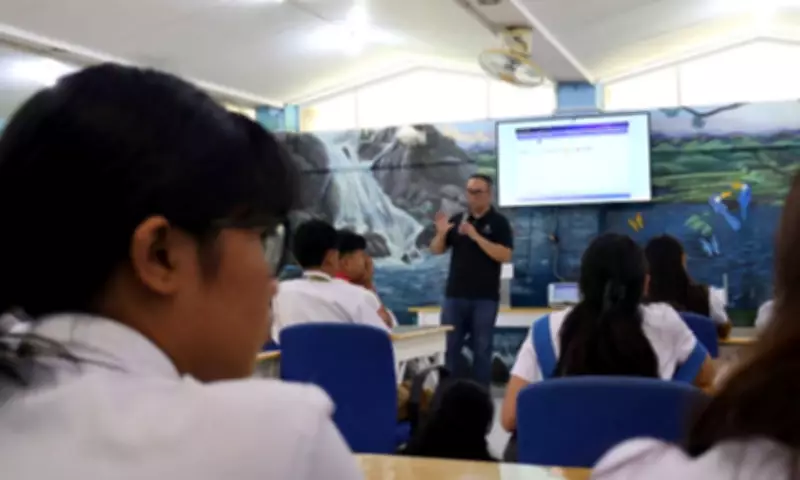
During the morning session, Sta. Romana stressed the importance of strong foundational learning, encouraging students to leverage tools like artificial intelligence to enhance their studies. Siegelwax followed with an accessible introduction to quantum computing principles, practical applications, and potential career paths in the field.
The afternoon featured a hands-on workshop and project pitching session led by Julius Evangelio, who introduced "Qubies" and discussed real-world applications of quantum concepts. Twenty-one students participated, tasked with developing proposals using quantum computing to address typhoon-related challenges in the Philippines.
Student Projects and Innovations
The student outputs were evaluated by a panel of judges, including Corpus and Evangelio. Group E emerged as the winner with their project, "QuantumCharge: Quantum-Powered Batteries for Typhoon Resiliency Towards a Sustainable Philippines," earning a P3,000 prize. Group C secured second place with "Quantum Solutions: Relief Distributions," taking home P2,000, while Group A placed third with "Quantum-Optimized Emergency Navigation and Real-Time Population Tracking for Typhoon Cryptography," receiving P1,000. Group D finished fourth with "Safety with Quantum-Based Disaster Risk Reduction and Response."
Freshman student Sophia Laurice Mercado shared her experience, noting that the event opened new doors for innovation. "Initially, I felt nervous as it was my first time participating in such an event, but over time, I grew excited and relieved as we were encouraged to create projects that could strengthen our worldly settings," she said.
Positioning for Global Participation
Organizers highlighted that this program underscores growing efforts to equip Filipino students with future-ready skills and position the country to actively participate in the global development of quantum technologies. By fostering early interest and providing practical learning opportunities, the initiative aims to build a robust foundation for technological advancement in the Philippines.