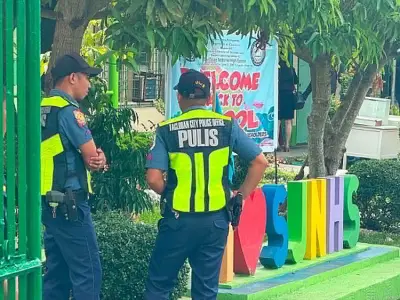
Renewed calls to ban social media for children under 16 have emerged after a school shooting in Tacloban, where two students aged 14 and 15 killed three schoolmates and wounded several others. The incident, along with stabbing cases in Cavite and a foiled mass threat in Tolosa, Leyte, has intensified fears that exposure to violent online content shapes young minds.
Growing Concerns Over Digital Violence
Critics argue that a digital solution alone cannot address complex issues like school security, parental guidance, and anti-bullying programs. However, the prevalence of violent material on social platforms—such as posts glorifying cruelty, harassment in comment sections, and algorithms rewarding outrage—demands action. According to SunStar Cabaero, “Something must be done, at least on the social media front, before another school shooting forces us to ask belatedly what we could have prevented.”
Australia’s Model as a Blueprint
Legislators drafting the ban can look to Australia, which places the burden on social media platforms rather than minors or parents. Under Australia’s restrictions, platforms must take “reasonable steps” to prevent under-16s from creating or maintaining accounts. Excluded from the ban are messaging services like Messenger and WhatsApp, education tools, and gaming apps, depending on features.

Key Considerations for Lawmakers
Lawmakers should identify high-risk platforms, distinguish between algorithmic content feeds and messaging tools for school or family, assign enforcement responsibilities, and ensure privacy when checking ages. While the ban may not stop all school shootings, it can reduce exposure to harmful content, set boundaries, and compel tech companies to prioritize child safety.