NFA Advocates for Revised Rice Auction Guidelines to Enhance Market Access
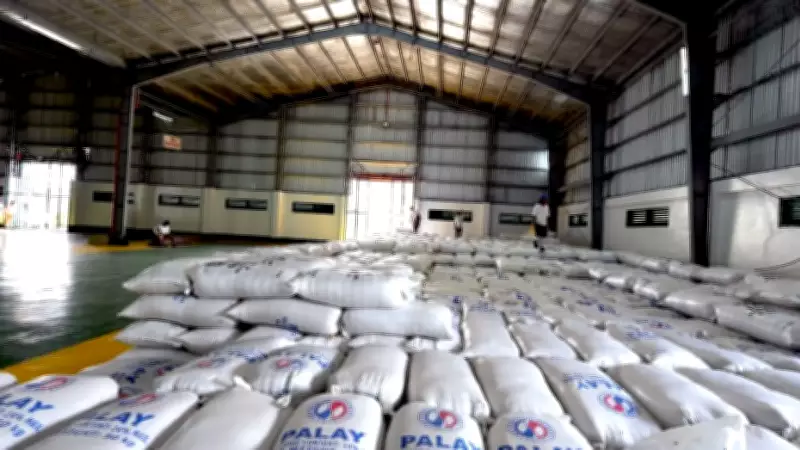
The National Food Authority (NFA) is actively pushing for significant changes to its rice auction guidelines, with a focus on lowering the minimum limit for rice bundles sold through these auctions. According to NFA Administrator Dr. Larry Lacson, the agency has proposed reducing the current requirement from 5,000 bags to 3,000 bags per lot. This initiative is currently under review by the NFA Council, which includes key government officials such as the Secretary of Agriculture as chairperson, along with representatives from the Department of Finance, Department of Trade and Industry, and other economic bodies.
Boosting Participation Among Small-Scale Traders
Dr. Lacson emphasized that the primary goal of this proposal is to increase participation from cooperatives and retailers in the rice auction process. Many of these smaller entities have reportedly struggled to meet the existing 5,000-bag minimum due to limited financial resources. By lowering the threshold, the NFA aims to create a more inclusive market environment, allowing a broader range of stakeholders to engage in rice procurement and distribution.
Support from Various Sectors

In addition to cooperatives, numerous traders from across the Philippines have expressed support for the proposed reduction. This backing highlights a widespread recognition of the need to adapt auction rules to better serve the diverse economic capacities within the agricultural sector. The NFA has already submitted this proposal to the council, though no final decision has been made yet.
Implications for Agricultural Policy and Economy
If approved, this change could have several positive impacts:
- Enhanced Market Competition: By enabling more participants, the rice auction could become more competitive, potentially leading to better pricing and efficiency in rice distribution.
- Financial Relief for Cooperatives: Smaller cooperatives and associations would no longer be excluded due to high minimum limits, fostering economic growth at the grassroots level.
- Strengthened Food Security: Increased participation may improve the stability and accessibility of rice supplies, contributing to national food security goals.
The NFA Council, which plays a crucial role in overseeing such policies, continues to deliberate on this matter, weighing the potential benefits against any operational challenges.