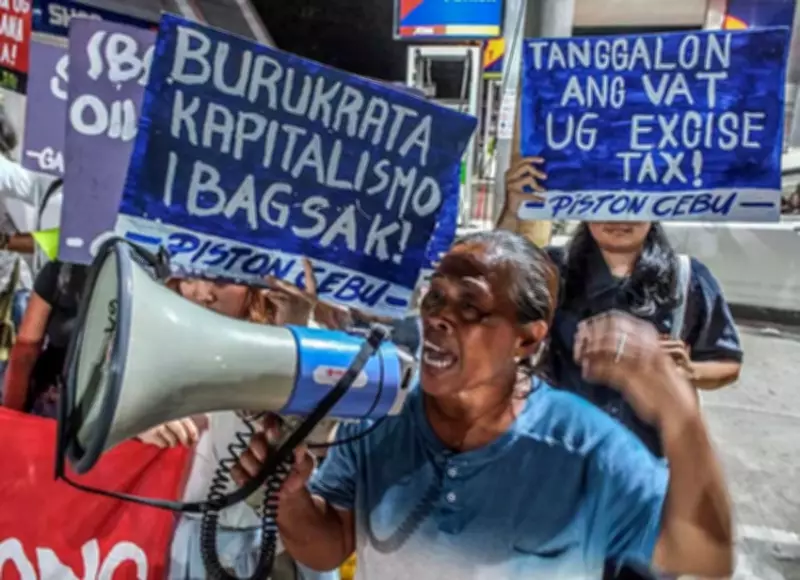
In a dramatic display of public dissent, transport groups alongside activists organized a noise barrage at a gasoline station on B. Rodriguez Street in Cebu City on March 23, 2026. This protest erupted in response to an impending fuel price hike, fueled by escalating global oil prices as the ongoing US–Israel–Iran conflict continues to disrupt international markets.
Senate Measure Proposes Presidential Authority to Suspend Excise Taxes
A proposed legislative measure, which has already been submitted to the Office of President Ferdinand Marcos Jr., seeks to grant the President the authority to temporarily suspend or reduce excise taxes on fuel during the current oil crisis. Senate President Vicente “Tito” Sotto III confirmed the transmission, stating, "Transmitted to OP (Office of the President) suspension of excise tax and the Barmm elections postponement."
Key Provisions of the Proposed Measure
Under this proposed measure, the President's decision to adjust excise taxes on petroleum products must be based on recommendations from the Development Budget Coordination Committee (DBCC), in coordination with the Department of Energy. The authority would allow the President to cut or suspend these taxes for up to six months if Dubai crude oil prices exceed $80 per barrel for at least one month.

However, this presidential power is set to expire on December 31, 2028, providing a temporary solution to mitigate the economic impact of volatile oil markets.
Current Market Conditions and Implications
As of March 9, 2026, the price of Dubai crude had already surged past $100 per barrel, sparking concerns over higher fuel costs in the Philippines and other oil-importing nations. Currently, excise taxes in the country stand at P6 per liter for diesel and P10 per liter for gasoline, adding to the financial burden on consumers and businesses alike.
The noise barrage in Cebu highlights the growing frustration among transport sectors and activists, who are calling for immediate government intervention to alleviate the strain of rising fuel prices. This protest underscores the broader economic challenges faced by the Philippines as it navigates the complexities of global conflicts and their repercussions on domestic energy policies.