Oil Prices Surge Following Trump's 48-Hour Ultimatum to Iran Over Strait of Hormuz
Global oil prices experienced a significant spike on the morning of Monday, March 23, 2026, in response to a 48-hour ultimatum issued by US President Donald Trump. The ultimatum demands the opening of the Strait of Hormuz, a crucial maritime passage that facilitates the export of approximately one-fifth of the world's oil supply.
Immediate Market Reactions
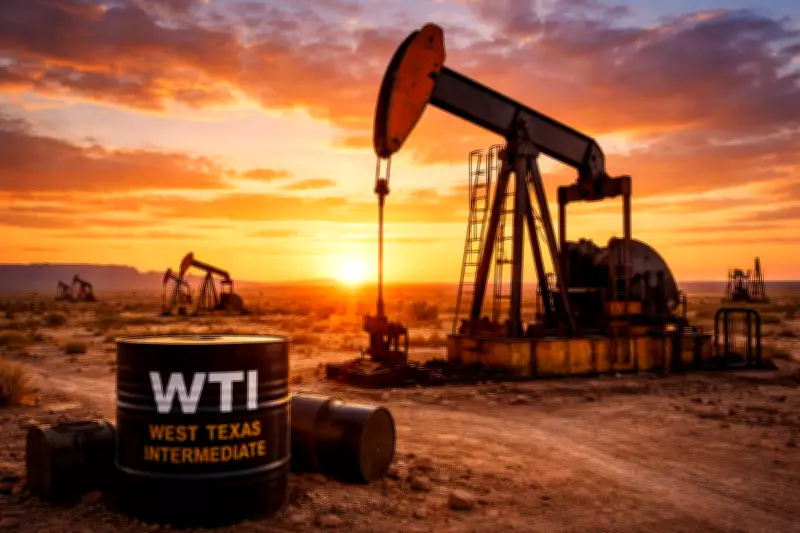
Shortly after the 2200 GMT deadline, West Texas Intermediate (WTI), the primary benchmark crude oil in the United States, surged by up to 1.8%. This increase briefly pushed its price to $100 per barrel before it settled slightly lower. Concurrently, North Sea Brent crude, which serves as the global benchmark for oil pricing, rose to $113.44 per barrel. It then declined to $111 within about 45 minutes of trading, reflecting heightened market volatility.
Historical Price Context
This sharp rise marks a dramatic shift from previous levels. On February 27, just a day before the US and Israel launched an attack on Iran, WTI was trading at $67.02 per barrel, while Brent crude stood at $72.48 per barrel. The recent escalation underscores the sensitivity of oil markets to geopolitical tensions in key regions like the Middle East.

Geopolitical Implications
The Strait of Hormuz is a vital artery for global energy security, and any disruption or threat to its accessibility can trigger immediate financial repercussions. President Trump's ultimatum has intensified concerns over potential supply constraints, leading to speculative trading and price fluctuations. Analysts warn that prolonged instability could further impact economic indicators and energy sector stability worldwide.