

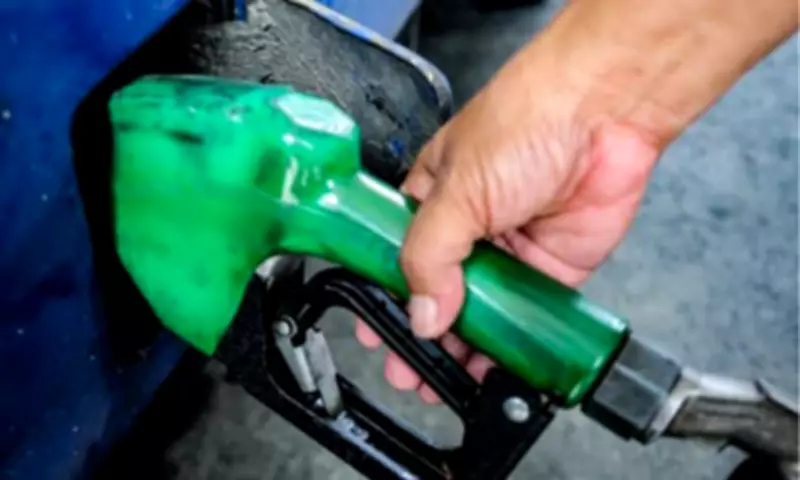
Fuel Prices Surge Again: Sixth Consecutive Weekly Hike Hits Motorists
Motorists in the Philippines are bracing for yet another financial blow as oil companies have confirmed a fresh round of fuel price increases set to take effect on Tuesday, February 16, 2026. This marks the sixth consecutive week of rising pump prices, compounding the burden on consumers already grappling with escalating costs.
Details of the Latest Price Adjustments
According to separate advisories issued by major oil firms, including Seaoil and Caltex, the price hikes will be implemented early Tuesday morning. Specifically, gasoline prices will increase by PHP1.20 per liter, while diesel and kerosene will each see a rise of PHP0.60 per liter. These adjustments are scheduled to take effect at 6:00 a.m. and 6:01 a.m., respectively, ensuring a swift impact on fuel stations across the nation.
A Pattern of Persistent Increases
This latest announcement continues a troubling trend that has persisted for over a month. In the previous week, fuel prices also climbed, with gasoline increasing by PHP0.60 per liter, diesel by PHP1.00 per liter, and kerosene by PHP0.60 per liter. The cumulative effect of these weekly hikes has significantly raised the cost of transportation and goods, affecting households and businesses alike.

Underlying Causes: Geopolitical Tensions and Supply Concerns
The primary driver behind these sustained price increases is ongoing geopolitical tensions in key oil-producing regions abroad. These conflicts have disrupted global supply chains, leading to heightened market volatility and reduced availability of crude oil. As a result, local oil companies are forced to adjust pump prices to reflect the higher costs of imported fuel, passing the financial strain directly onto consumers.
Experts warn that without a resolution to these international disputes, motorists may face further price instability in the coming weeks. The situation underscores the interconnected nature of global economies and how external factors can swiftly impact domestic markets.
Impact on Daily Life and Economy
The repeated fuel price hikes are expected to have a ripple effect throughout the Philippine economy. Increased transportation costs are likely to lead to higher prices for goods and services, as businesses adjust to cover their rising operational expenses. For everyday motorists, this means tighter budgets and potentially reduced spending on non-essential items, which could slow economic growth.
As the nation navigates these challenging times, stakeholders are calling for measures to mitigate the impact, such as exploring alternative energy sources or implementing temporary subsidies. However, for now, consumers must prepare for the immediate reality of higher fuel expenses.