President Marcos Mandates LGUs to Spearhead Classroom Construction Drive
President Ferdinand "Bongbong" Marcos Jr. has issued a directive to local government officials, tasking them with overseeing the construction, rehabilitation, and repair of classrooms across the Philippines to ensure swift completion. This move comes as part of the administration's Nationwide Classroom Building Program, aimed at tackling the country's severe classroom shortage, which currently stands at an estimated 144,758 units as of January 2026.
New Agreement Shifts Project Management to Local Governments
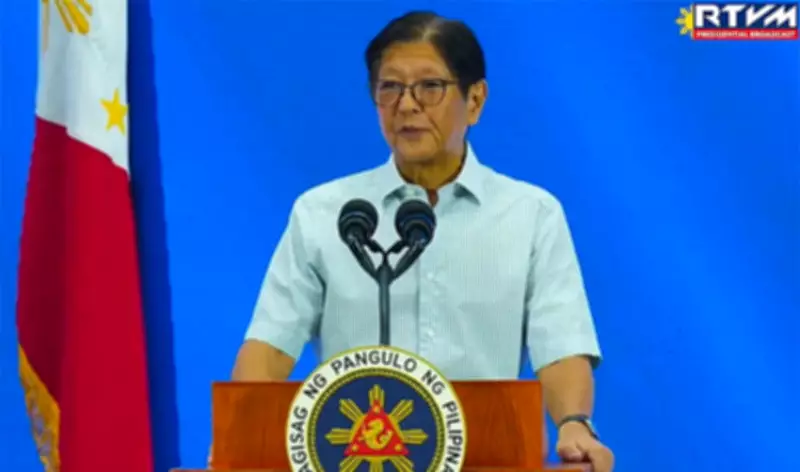
During the signing of a memorandum of agreement between the Department of Education and city local government units, Marcos emphasized the critical role of LGUs in addressing this infrastructure gap. Under the program, LGUs will now handle procurement, construction, and project management to enable faster and more responsive implementation on the ground. Meanwhile, DepEd will set standards and validate compliance before final turnover and payment.
"I always say that education is the foundation of a progressive and stable nation. However, this foundation cannot be built by only one sector," Marcos stated. "That is why, to our local governments, I encourage you to seize this opportunity and use the funds entrusted to us by the people with greater accountability."

Billions Allocated for Basic Education Facilities
The 2026 General Appropriations Act has allocated P85.4 billion for Basic Education Facilities. This includes P9.6 billion earmarked for the construction of approximately 4,000 classrooms in the first tranche, with an additional P5.96 billion set to fund around 1,700 more classrooms through the newly signed agreements.
This shift in responsibility marks a significant change from previous practices, where the Department of Public Works and Highways handled the construction of public school buildings and classrooms. The administration crafted this new policy in response to longstanding concerns over delays, substandard and unfinished buildings, and coordination issues between agencies.
Ensuring Quality and Accountability in Infrastructure Projects
President Marcos underscored the importance of quality and accountability in these projects. "Let us ensure that the projects will not be delayed. Let us ensure that the classrooms we build are of quality," he urged. "Let us also ensure that every cent earned through the hard work of our fellow citizens is used properly. Because we are not only building classrooms; we are building a strong future for our youth and for our beloved Philippines."
By giving DepEd more control over school building projects, the administration aims to improve speed and accountability, leveraging the department's deeper understanding of school needs.
Complementary Education Reforms Underway
Beyond infrastructure, the administration continues to implement complementary education reforms. These include expanding the Aral Program, accelerating the procurement of learning materials, and improving career progression pathways for teachers. These efforts are designed to create a holistic approach to enhancing the educational landscape in the Philippines.
As the Nationwide Classroom Building Program rolls out, the focus remains on building not just physical structures but a robust foundation for the nation's future. "We are not only building classrooms; we are building a strong future for our youth and for our beloved Philippines," Marcos reiterated, highlighting the broader vision behind the initiative.