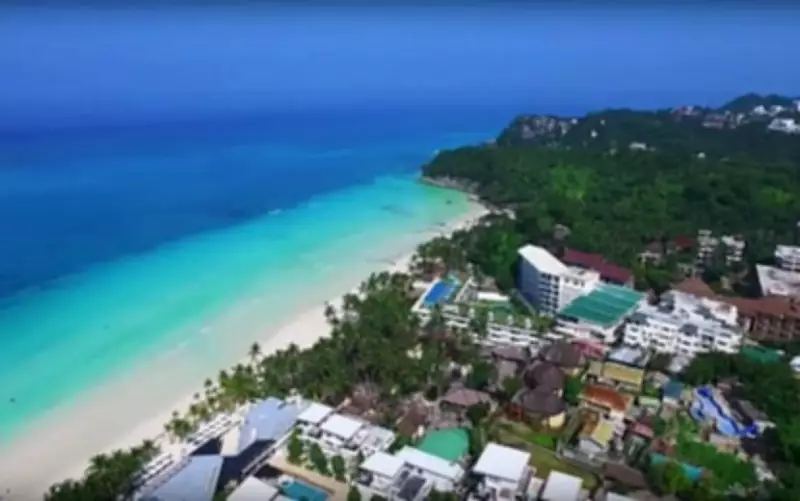
The Department of Environment and Natural Resources (DENR) has significantly enhanced its environmental oversight on Boracay Island, implementing stricter regulations for the processing and issuance of Environmental Compliance Certificates (ECC) and Certificates of Non-Coverage (CNC). This move aims to safeguard the island's ecological limits and support ongoing rehabilitation efforts.
Stricter Review of Development Projects
Through Administrative Order (DAO) No. 2025-36, the DENR has mandated a more rigorous review of all development projects on Boracay. The order explicitly states that all projects must be evaluated in consideration of the island's physical and ecological limits to ensure long-term sustainability.
The primary objective of this Administrative Order is to provide comprehensive guidelines for evaluating carrying capacity and geological hazards during the review and processing of ECC and CNC applications, according to the official document.

Comprehensive Application Requirements
The new guidelines establish clear standards for evaluating carrying capacity and geological hazards and apply to all existing projects, expansion projects, and new developments that fall under the Environmental Impact Statement (EIS) System. Additionally, new and existing structures qualifying for CNC issuance must comply with these enhanced requirements.
Applicants are now required to submit multiple documents, including:
- An Environmental Impact Statement or Initial Environmental Examination Checklist
- Land-use compatibility certification from the local government
- Proof of land authority
- Easement compliance documents
- Geohazard reports endorsed by the Mines and Geosciences Bureau
New projects face additional requirements, including obtaining carrying capacity endorsements from the Ecosystems Research and Development Bureau.
Alignment with Land Use Framework
The DENR has clarified that only projects aligned with Boracay's approved land use and zoning framework will be eligible for environmental clearance. This ensures that development remains consistent with the island's sustainable management plan.
For smaller undertakings not covered by the EIS System—such as residential houses, small businesses, places of worship, and minor public infrastructure—a Certificate of Non-Coverage remains necessary. All CNC applications will be processed manually at the Environmental Management Bureau Region VI to facilitate on-site validation.
Strict Environmental Conditions
The administrative order imposes rigorous environmental conditions on all approved projects, including:
- Mandatory wastewater treatment systems
- Compliance with national water quality standards
- Proper solid waste management coordinated with the Malay local government
- Adherence to island traffic policies
The DENR emphasized that this measure ensures future development on Boracay proceeds under tighter environmental controls while preserving the rehabilitation gains achieved since 2018. This comprehensive approach represents a significant step toward sustainable management of one of the Philippines' most popular tourist destinations.