Senator Hontiveros Calls for Senate Investigation into Garbage Management After Deadly Landfill Collapse
Senator Risa Hontiveros has urgently demanded a Senate investigation into the Philippines' garbage management system, following a catastrophic landfill collapse in Cebu City that resulted in the tragic deaths of 36 individuals on January 8, 2026. The senator officially filed Senate Resolution 285 on Thursday, March 5, seeking a comprehensive review of the nation's solid waste management framework in the aftermath of the disaster at the Binaliw landfill.
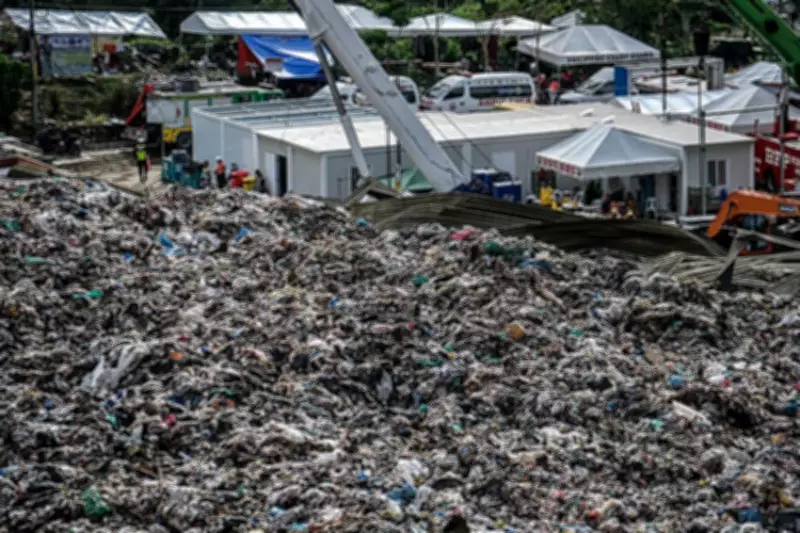
At the Binaliw site, a massive trash slide buried workers under layers of garbage, steel, and heavy machinery, prompting immediate calls for accountability and systemic reform.
Decades-Old Waste Law Under Intense Scrutiny
Hontiveros emphasized that the collapse raises serious questions about the implementation of Republic Act 9003, also known as the Ecological Solid Waste Management Act of 2000. This legislation mandates that local governments divert at least 25 percent of their waste away from disposal facilities through methods such as recycling, composting, and other recovery techniques, with targets intended to increase every three years.

However, the senator pointed out that many local governments continue to rely heavily on landfills due to a lack of waste diversion facilities and insufficient investments in waste reduction programs. "Twenty-five years since the passage of RA 9003 into law, the aforementioned mandate has yet to be realized, due to the implementation of incompatible waste management models, inordinate importance placed on collection and disposal, and the consequent neglect of and minimal budget allocated to waste reduction activities," Hontiveros stated in the resolution.
High Costs and Public Opposition Complicate Waste Management
Communities frequently oppose the construction of new landfill sites, fearing environmental damage and potential declines in property values. This resistance has forced some local governments to transport garbage to distant disposal facilities, a practice that Hontiveros noted increases operating costs. These additional expenses are often passed on to taxpayers and businesses, as seen when Manila began sending its waste to the San Mateo Sanitary Landfill in Rizal province after the Navotas Sanitary Landfill closed, leading to garbage fees for business owners soaring by as much as 1,200 percent.
A report by the Philippine Center for Investigative Journalism has warned that rising waste volumes and weak recycling systems are pushing the country toward a nationwide trash crisis, underscoring the urgency of the situation.
Environmental Monitoring Weakened Over Time
Hontiveros also highlighted a decline in environmental monitoring, citing a 2017 administrative order from the Department of Environment and Natural Resources that removed the Multi-Partite Monitoring Team for projects not classified as environmentally critical. This change reduced public participation and oversight of landfill operations, potentially contributing to safety lapses.
The Binaliw landfill, which received its environmental clearance in 2017 and began accepting waste in 2019, faced environmental violations reported by regulators that same year. Operations were later taken over by Prime Integrated Waste Solutions Inc. in January 2023. A 2023 report by the Commission on Audit found that nearly all of Cebu City's solid waste, along with garbage from nearby towns, was dumped at the site, warning that the facility could reach capacity due to the large volume of waste and lack of diversion systems.
Residents protested foul odors and possible health risks in late 2024, with local officials warning that the landfill could shut down by mid-2025. Months later, the fatal landslide occurred, highlighting systemic failures.
Concerns Over Waste-to-Energy Plans and Future Implications
Lawmakers are also reviewing the push for waste-to-energy facilities, with Hontiveros expressing concerns that weak monitoring systems could allow landfill operators to bypass sanitary standards. Some operators prepare dry waste for future energy conversion, a process that may encourage the continued buildup of garbage rather than promoting sustainable alternatives.

"Without the appropriate enforcement mechanisms to ensure compliance with the standards set under environmental laws, such as RA 8749 (Clean Air Act of 1999), RA 9275 (Philippine Clean Water Act of 2004) and RA 9003, the emerging waste-to-energy model may further exacerbate the environmental and public health crisis by creating monetary incentives that encourage excessive dumping, rather than pursuing more sustainable alternatives," Hontiveros cautioned.
Potential Changes for Communities and Broader Impact
The proposed Senate inquiry aims to address gaps in the country's environmental regulations and strengthen enforcement of existing laws. Lawmakers are expected to review how the Philippines implements its clean air, clean water, and solid waste policies. If new policies are adopted, residents and business owners may face stricter rules on waste segregation at home, higher garbage collection costs, and a gradual shift away from landfill dumping to prevent future environmental disasters.
This investigation could lead to significant reforms in waste management practices, potentially transforming how the nation handles its growing trash crisis and safeguarding public health and the environment.