EU Ambassador Sounds Alarm on Energy Security Amid Geopolitical Tensions
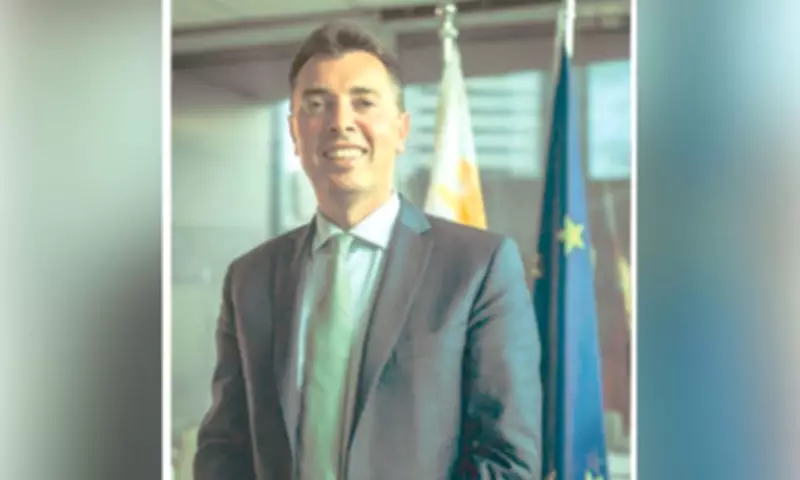
European Union Ambassador to the Philippines Massimo Santoro has declared that escalating conflicts in the Middle East are serving as critical alarm bells for both the Philippines and the European Union. The diplomatic envoy emphasized that these geopolitical shocks underscore the urgent need to accelerate cooperation on renewable energy initiatives, as global supply disruptions continue to expose vulnerabilities tied to fossil fuel dependence.
Geopolitical Shocks Ripple Through Energy Markets
In an exclusive interview conducted on Wednesday, March 26, 2026, Ambassador Santoro detailed how ongoing Middle Eastern conflicts demonstrate how geopolitical instability can rapidly ripple through international energy markets. These disruptions directly affect supply stability, fuel prices, and broader inflation rates, forcing nations worldwide to fundamentally rethink their long-term energy strategies and security frameworks.
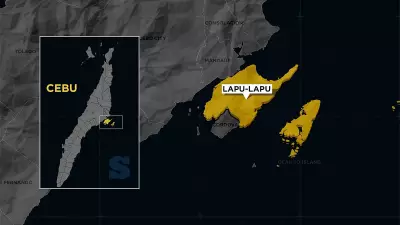
These developments are kind of alarm bells that tell us how important it is to continue cooperating and to enhance the cooperation that we already have, Santoro stated, specifically referencing existing EU-Philippines partnerships focused on clean energy development and sustainability initiatives. The ambassador made these remarks during his visit to Cebu, where he participated in celebrations marking the National Day of Greece and commemorating 76 years of diplomatic relations between Greece and the Philippines.

Shared Vulnerabilities Strengthen Renewable Energy Case
While noting that the Middle East crisis does not directly threaten bilateral relations between the EU and Philippines, Santoro highlighted how it reveals shared exposure to external risks, particularly for energy-importing economies like the Philippines. This mutual vulnerability, he argued, significantly strengthens the economic and strategic case for accelerating investments in renewable energy infrastructure as a more secure and sustainable alternative to traditional fossil fuels.
The EU envoy emphasized that renewable energy has evolved beyond being merely a component of climate change agendas. It is now increasingly viewed as a strategic hedge against geopolitical instability and global supply chain disruptions that can cripple economies dependent on imported energy resources.
We are understanding what it means in terms of energy, access to energy, renewables, Santoro explained, pointing out that both the European Union and the Philippines are already experiencing tangible, real-world impacts from the ongoing conflict. He added that deeper bilateral cooperation could encompass joint efforts in clean energy development projects, advanced technology transfer programs, and comprehensive policy alignment initiatives as both sides work to diversify their energy sources and reduce exposure to volatile global fuel markets.
Transition Urgency and Green Economy Program
While acknowledging that transitioning national energy systems to renewable sources will require substantial time and investment, Santoro stressed that the current geopolitical crisis reinforces the critical urgency of scaling up investments immediately to mitigate future economic and energy shocks.
The European Union has been actively supporting the Philippines' green transition through multiple programs covering renewable energy development, circular economy implementation, and sustainable infrastructure projects. This energy cooperation represents a key pillar of broader economic and trade relations between the two partners.
The EU and Philippines are close collaborators in building a more sustainable future through the EU-Philippine Green Economy Program, a P3.67-billion initiative scheduled to run from 2023 through 2028. This comprehensive program involves the Department of Environment and Natural Resources as the primary implementing agency, working in collaboration with multiple government departments including Trade and Industry, Energy, and the Interior and Local Government.

This Green Economy Program forms part of the EU's Global Gateway initiative, which connects European and Filipino partners from private sector organizations and local government units to foster circular economy development and plastic waste reduction. The program also aims to improve national energy efficiency standards, promote renewable energy adoption, and advance climate change mitigation and adaptation measures throughout the Philippines.