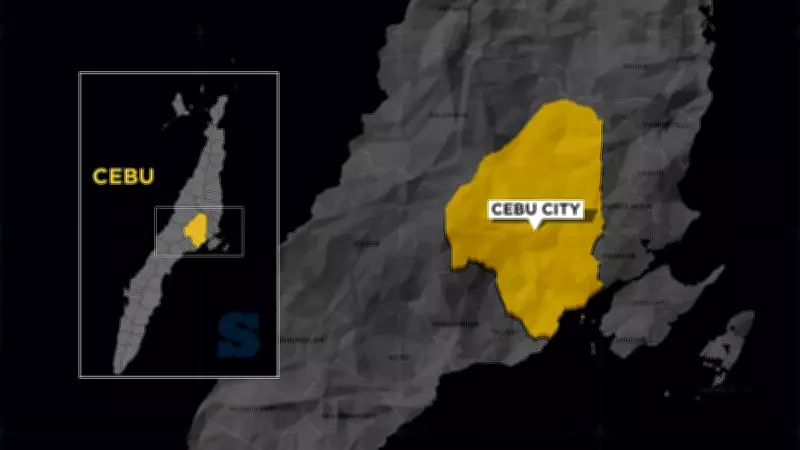
In a proactive move to address its mounting garbage problem, Cebu City is championing household composting as a practical and eco-friendly solution. A recent demonstration at the Cebu City Eco Park in Barangay Sudlon on Tuesday, March 24, 2026, highlighted simple techniques for transforming everyday waste into valuable organic fertilizer.
Low-Cost Composting System Showcased
Giovanni Stephen Romarate, the executive director of Eco Park, led a hands-on demonstration of a straightforward compost pit system. This method utilizes recycled containers, PVC pipes, and a decomposer mixture enhanced with molasses to accelerate the breakdown of food scraps, dried leaves, and soil into nutrient-rich fertilizer.
Romarate emphasized the affordability and accessibility of the system, noting, "The total cost is around P500 to P600, including the drum. Anyone can do this at home using everyday materials." For households lacking molasses, alternatives such as red sugar or kinugay sugar can be substituted to extract nutrients while effectively minimizing unpleasant odors.

Step-by-Step Guide to Home Composting
To implement this system at home, follow these simple steps:
- Place PVC pipes at the bottom of a drum to ensure proper drainage.
- Layer biodegradable waste, starting with softer or partially rotting items.
- Add a small amount of molasses or a sugar alternative to speed up decomposition.
- Seal the drum, opening it occasionally to add new waste and a bit more molasses.
Within one to two months, the waste transforms into a nutrient-dense mixture ready for use as fertilizer. Additionally, Eco Park staff demonstrated how to create foliar fertilizer from fruit and vegetable scraps and leftover fish organs, further maximizing the utility of household organic waste.
Community Adoption and Expansion Plans
The composting program has already gained traction in at least four barangays: Luz, Lorega, Kalunasan, and Mabolo. These communities are integrating the initiative into urban gardening projects, fostering environmental responsibility at the grassroots level.
Romarate highlighted the broader impact, stating, "By composting, households reduce garbage while creating something useful for their gardens. It's a small step with a big impact." The City plans to expand the program in collaboration with the Association of Barangay Captains, aiming to promote wider participation and strengthen local waste management efforts.
Benefits Beyond Waste Reduction
Household composting offers multiple advantages, including cutting landfill waste, promoting sustainable living practices, and providing communities with fresh produce from enriched soil. Romarate concluded, "Encouraging people to compost at home teaches responsibility, reduces waste, and improves garden soil. It's a win-win for both the environment and residents." This initiative represents a significant stride toward a greener, more self-sufficient Cebu City.