Cebu City Fire Ignites Critical Urban Planning and Safety Discussions
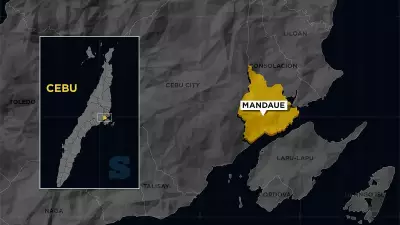
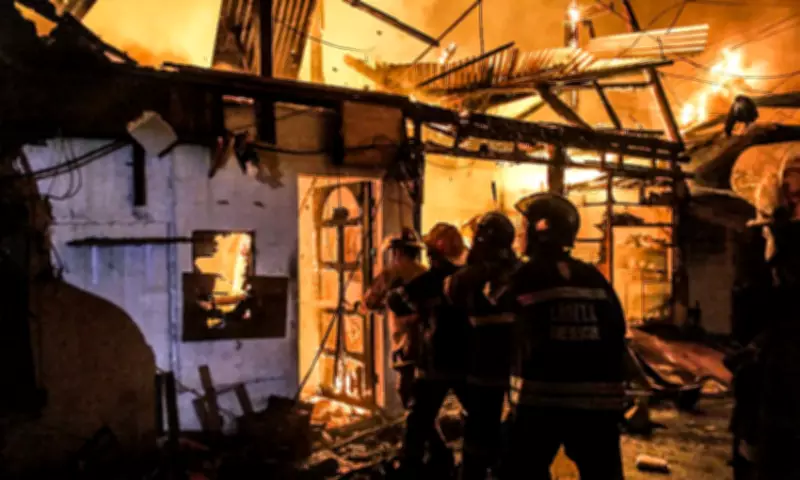
A devastating fire in Barangay Ermita on April 4, 2026, has displaced at least 166 families and resulted in millions of pesos in property damage, reigniting a vital debate over urban planning and public safety in Cebu City. Mayor Nestor Archival is currently assessing a transition toward in-city resettlement, a strategic approach aimed at breaking the cycle of recurring fires in densely populated areas without forcing residents to abandon their livelihoods.
Impact and Systemic Vulnerabilities
The Ermita fire affected 579 individuals and destroyed 46 houses, highlighting a systemic vulnerability in the city's most crowded neighborhoods. Traditional disaster responses often involve relocating survivors to distant provincial sites, a move that frequently fails as residents lose access to the economic centers that sustain them. By exploring an in-city solution, the local government recognizes that housing is not merely about shelter but also about maintaining the social and economic fabric of the urban poor.
Land Ownership and Strategic Shift
The proposal depends on a crucial investigation into land ownership. Mayor Archival has tasked the Division for the Welfare of the Urban Poor and the City Assessor's Office with verifying whether the fire-hit site is government-owned. This step is a prerequisite for any structured redevelopment, as officials must anticipate challenges before embarking on a complex enterprise.

This strategic shift reflects a broader necessity to move away from simply reacting to disasters and instead working from a suitable design for urban resilience. Rebuilding the same tightly packed, unorganized structures would likely invite future catastrophes. A formalized housing project within Ermita would represent a sensible design intended to provide safer, more organized clusters that reduce fire risks while preserving proximity to residents' jobs.
Future Prospects and Challenges
The success of this initiative will hinge on the findings of the city assessor regarding land titles. If the land is confirmed as public, the City must then navigate the complexities of financing and designing a project that satisfies both safety codes and community needs.
While the cause of the April 4 blaze remains undetermined, the City's focus has shifted toward prevention through better organization. Observers will be watching to see if this in-city model becomes a template for other fire-prone barangays in Cebu City, signaling a long-term change in how the administration handles urban displacement and socialized housing.