The Metropolitan Cebu Water District (MCWD) has declared its preparedness to handle the anticipated surge in water demand as the hot dry season approaches, even as the state weather bureau continues to warn about the lingering impacts of an El Niño phenomenon. MCWD general manager John Dx Lapid emphasized that the district's current water supply remains sufficient, with available volume exceeding consumer demand.
Proactive Management and Supply Strategy
Under Lapid's leadership, the agency is adopting a more proactive management style, which includes strengthening coordination with the Philippine Atmospheric, Geophysical and Astronomical Administration to receive timely weather forecasts. This shift aims to enhance responsiveness to climate variability. Currently, MCWD produces 275,000 cubic meters of water daily to serve approximately 200,000 consumers across Cebu City, Mandaue, Lapu-Lapu, Talisay, and the towns of Cordova, Consolacion, Liloan, and Compostela.
Groundwater Reliance: Resilience vs. Environmental Risk
Central to MCWD's strategy is an increasing reliance on groundwater extracted through deep wells. Officials describe these sources as more resilient during prolonged dry spells because groundwater is less vulnerable to direct evaporation compared to surface sources like rivers or dams. However, this approach has drawn sharp criticism from the Cebu Electricity Reform Advocates (Cera), a consumer advocacy group that labels the reliance on groundwater as "short-sighted" and potentially leading to long-term environmental damage.

Cera warns that over-extraction increases two major risks: saltwater intrusion, where seawater leaks into the freshwater table and renders it undrinkable, and land subsidence, where excessive pumping reduces underground pressure and causes the land above to sink—a phenomenon already observed in parts of Metro Cebu. Cera convenor Nathaniel Chua urged MCWD to pivot toward large-scale infrastructure, such as dams and surface water treatment facilities, suggesting desalination only as a temporary measure while more sustainable systems are developed.
Managing Operational Costs and Public Conservation
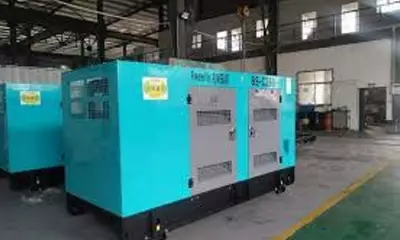
Despite current supply stability, Lapid acknowledged that extreme heat and global economic tensions are driving up operational costs. Many deep wells still rely on diesel-powered generator sets, making the water supply vulnerable to fluctuating fuel prices. The district is working to connect these facilities to main power lines to reduce dependence on expensive diesel. In the meantime, Lapid urged the public to conserve water, noting that the district's tiered billing structure charges higher rates for excessive consumption.
Rising Water Meter Theft: A Critical Challenge
Beyond environmental and technical hurdles, MCWD is now battling a surge in infrastructure sabotage, with water meter thefts emerging as a critical challenge to service reliability, particularly in northern Cebu. Data from March 1 to 24 shows a total of 141 recorded incidents, broken down as follows:
- Liloan: 84 cases
- Consolacion: 39 cases
- Mandaue City: 10 cases
- Cebu City: 5 cases
- Lapu-Lapu City: 3 cases
This represents a sharp increase from February (19 cases) and January (12 cases). MCWD is calling on the Philippine National Police to intensify patrols to identify those behind the illegal trade in stolen meters. To encourage public cooperation, the water district is offering a P25,000 reward for information leading to the arrest of buyers of stolen meters and P10,000 for information leading to the arrest of the thieves themselves.