The protracted military confrontation between the United States and Iran is sending shockwaves far beyond the immediate conflict zone, with economic repercussions being felt globally. One nation experiencing significant strain is the Philippines, where ordinary citizens and laborers are grappling with the severe consequences of skyrocketing oil prices. This situation underscores how geopolitical tensions can translate into tangible hardships for populations thousands of miles away.
The Frontline of the Crisis: Public Transport
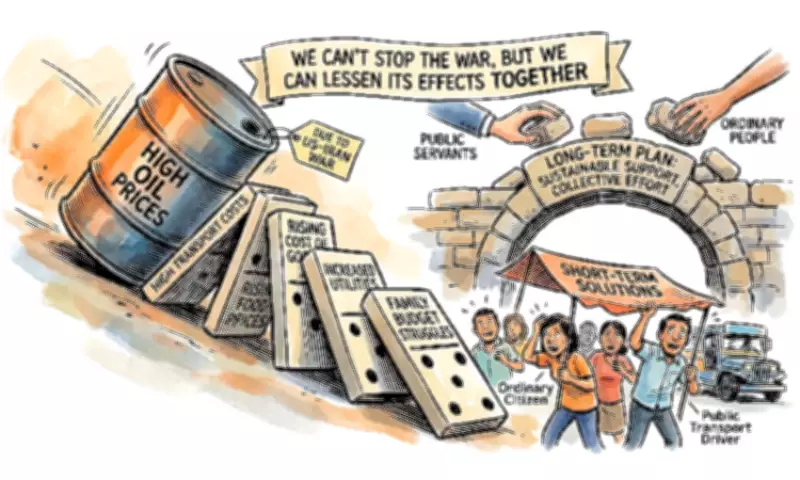
Among the most acutely affected groups are public utility vehicle (PUV) drivers and operators. Their livelihoods are intrinsically tied to fuel costs and passenger volume. As oil prices climb, their operational expenses surge, directly eroding their daily income. This creates a precarious financial reality for countless families dependent on this sector, pushing many to the brink as profit margins vanish.
A Domino Effect on Daily Life
The impact of rising oil costs extends far beyond the transportation sector. It triggers a pervasive domino effect that inflates the prices of essential goods and services. When the cost of moving goods increases, the prices of food, commodities, and other basic necessities inevitably follow. This inflationary pressure places an immense burden on household budgets, making it increasingly difficult for families, particularly those with limited means, to manage their daily expenses and maintain a decent standard of living.

Short-Term Relief and the Need for Sustainable Strategy
While the Philippine government has initiated measures to provide support to those most affected, analysts argue these interventions are largely short-term palliatives. The critical need is for a robust, forward-looking plan capable of delivering sustained assistance should the US-Iran conflict and its associated oil market volatility persist. Such a strategy must be comprehensive and resilient, designed to weather prolonged economic turbulence.
A Call for Collective Action and Long-Term Solutions
Addressing this crisis effectively demands a unified, collective effort. It cannot be resolved by government action alone or by sporadic public cooperation. A synergistic approach is essential.
For Government and Leaders:
- Prioritize the common good by developing and implementing policies to mitigate oil price hikes.
- Invest in and strengthen public transportation infrastructure to improve efficiency and accessibility.
- Aggressively explore and develop sustainable, alternative energy sources to reduce long-term dependency on fossil fuels.
- Formulate contingency plans that ensure long-term economic support for vulnerable sectors.
For the Public:
- Actively support and participate in government-led initiatives aimed at easing the crisis.
- Adopt energy-saving practices in homes and daily commutes to reduce personal costs and contribute to lower overall demand.
- Foster a culture of resilience and community support during challenging economic periods.
The Path Forward: Mitigation and Resilience
The Philippines may not have the power to stop a distant war, but it can certainly take decisive steps to cushion its economic impact. The nation's economy is fundamentally driven by its people; their welfare is paramount to national stability and growth. By focusing on sustainable planning, infrastructure development, and a true partnership between the government and citizens, the country can build greater resilience against external shocks. The message is clear: lasting solutions require placing people's welfare at the forefront and acting together with purpose and foresight.