Measles-Rubella Infections Spike 45% in First Quarter of 2026, Health Department Data Reveals
The Department of Health (DOH) disclosed on Tuesday a concerning 45 percent rise in Measles-Rubella (MR) cases during the initial three months of 2026. Health authorities have strongly reiterated that widespread community vaccination remains the sole effective method to safeguard infants who are not yet old enough to receive the immunization shots.
Alarming Case Numbers and Vaccination Gaps Highlighted
According to the latest DOH statistics, a total of 1,627 MR cases were documented from January 4 to March 21, 2026. This figure marks a significant jump from the 1,121 cases reported in the corresponding timeframe the previous year. Among the recorded infections, approximately 1,111 individuals, representing 68 percent of the total, had not received any vaccination.
The national MR vaccination coverage currently hovers around 66 percent of the eligible population. This leaves an estimated 821,000 children across the country without protection against the viruses, underscoring a critical public health vulnerability.

Regional Hotspots and a Tragic Fatality in Quezon City
The Bangsamoro Autonomous Region in Muslim Mindanao (BARMM) registered the highest number of cases at 344, followed closely by Soccsksargen with 322 infections. Other regions reporting substantial case counts include Davao Region (163), the National Capital Region (158), and Central Luzon (154).
In a particularly distressing development, the DOH expressed deep concern over a recently reported measles-related death in Quezon City. Despite the city achieving an impressive 96 percent vaccination rate, infants below the recommended age for the first dose remain extremely susceptible to the virus.
Vaccination Protocols and the Concept of Ring-Fence Protection
The routine age for administering the first MR dose is typically nine months, though it can be given as early as six months during supplementary immunization activities. The DOH emphasized that neighbors and community members should get vaccinated to protect those who cannot, such as very young infants.
This strategy, known as ring-fence protection, relies on high vaccination coverage among eligible groups to create a barrier of immunity around ineligible children. The agency noted that Quezon City’s ongoing response measures, including Outbreak Response Immunization and Active Case Finding, are vital in containing the spread and preventing further tragedies.
Safety, Efficacy, and Nationwide Immunization Efforts
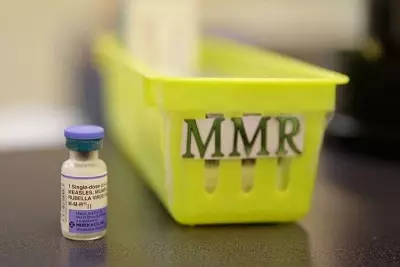
Measles-Rubella vaccines are scientifically proven to be safe and highly effective, serving as the primary defense against the viruses and their potentially deadly complications. While routine immunization programs continue across the nation, the DOH confirmed that logistical preparations for the MR Supplemental Immunization Activity - Phase 2 in Luzon and the Visayas are currently in progress.
Health officials are urgently calling on parents and guardians to ensure their children’s vaccination schedules are fully up to date. This proactive step is crucial to prevent additional outbreaks and fatalities, safeguarding public health and community well-being.