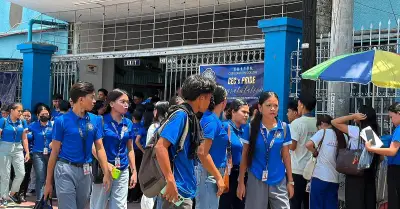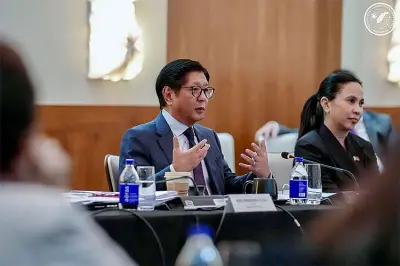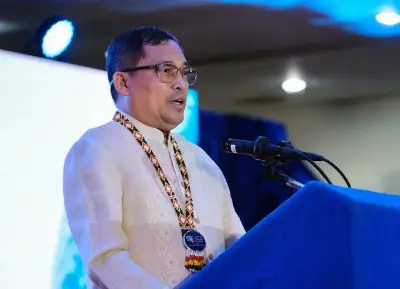

In commemoration of World Immunization Week 2026, UNICEF Philippines is urging sustained action to reach more unvaccinated and under-immunized children by strengthening routine immunization systems and addressing long-standing supply and demand challenges. This year's theme, "For every generation, vaccines work," highlights how vaccines have protected families and communities for decades and underscores the responsibility to sustain these gains for the future.
Vaccines Save Lives
Vaccines are among the most effective public health interventions, having saved an estimated 154 million lives over the past 50 years. Since 1976, the Philippines' National Immunization Program (NIP) has made substantial progress in policy and governance, disease elimination, and vaccination coverage. The latest National Demographic Health Survey findings suggest that reaching at least 95 percent immunization coverage nationwide is achievable. Region I already meets this benchmark, showing what is possible when services are accessible and communities are engaged.
Closing Equity Gaps
Sustaining national gains will require closing persistent equity gaps across place and income. Parents may not have enough money to get their children to health clinics for vaccination. Basic antigen coverage is highest in the richest wealth quintile (88 percent) and lowest in the poorest (66 percent), underscoring the need for targeted efforts in remote, underserved, and disadvantaged communities.

Government Action to Curb Outbreaks
Earlier this year, the Philippine Government, through the Department of Health (DOH), intensified efforts to curb outbreaks of vaccine-preventable diseases by rolling out the first phase of the Measles-Rubella Supplemental Immunization Activity (MR-SIA) in Mindanao. While the overall coverage of the first phase was 82 percent, the Bangsamoro Autonomous Region in Muslim Mindanao achieved over 90 percent coverage, showing great momentum. Replicating the success from the campaign and ensuring best practices are applied to routine immunization can make a real difference in the lives of Bangsamoro children.
Partnerships to Reach Every Child
To reach more unvaccinated children and sustain immunization gains, UNICEF Philippines calls for stronger routine immunization systems that address long-standing supply and demand challenges while reinforcing transparency, accountability, and public trust. This includes ensuring reliable vaccine availability, strengthening local delivery, and providing families with clear, evidence-based information.
"Vaccines have protected generation after generation. But the next generation depends on whether we reach every child today, especially those who remain unvaccinated. We must close the gaps that leave children unprotected by ensuring reliable vaccine supply and quality services, and by building trust and demand in communities so that families choose protection for their children," said Kyungsun Kim, UNICEF Representative in the Philippines.
UNICEF will continue to stand with the Government, health workers, and communities to reach children who have been missed by strengthening routine services, addressing barriers to access, and supporting trusted local voices with timely, evidence-based information. With sustained commitment and collective action, the Philippines can protect every generation and ensure no child is left behind.
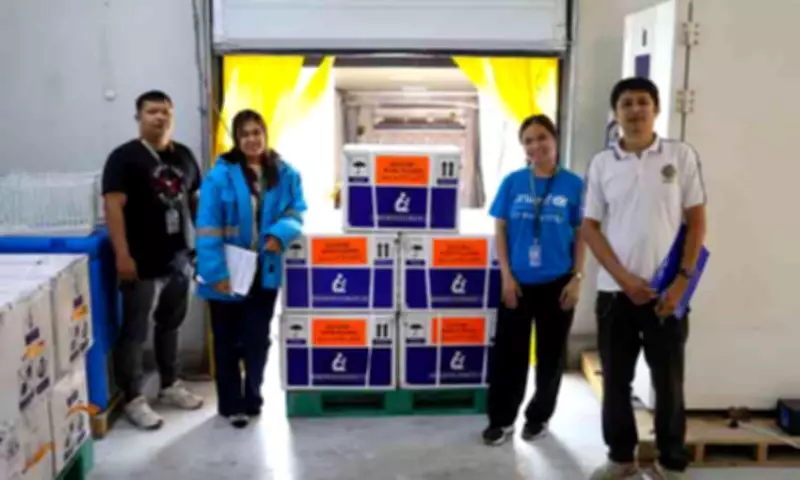
DOH, local government units, the World Health Organization, other stakeholders, and UNICEF continue to support the NIP with evidence-based assistance delivered through transparent, accountable mechanisms. This includes UNICEF's recent donation of one million doses of measles vaccines to support the next phases of the supplemental immunization activity to reach underserved communities, and empowering influencers in the community to spread the benefits of vaccination and address refusals.
UNICEF is also supporting DOH's inter-office task force on supply chain and logistics to improve vaccine availability and distribution and is helping shape the National Immunization Strategy 2026–2030 to close remaining coverage gaps nationwide.