The 2028 Philippine Presidential Election: A Crucial Crossroads
The upcoming 2028 Philippine presidential election represents a pivotal moment for the nation, as voters will select a leader to guide the country through the subsequent six years. This decision carries immense weight, shaping the nation's trajectory on both domestic and international fronts. Already, political figures are positioning themselves, with Vice President Sara Duterte officially entering the race and growing calls for Naga City Mayor and former Vice President Leni Robredo to declare her candidacy. However, beyond the personalities, it is essential to examine the substantive issues that will define this election and determine the qualities needed in the next president.
Foreign Policy: The China-US Dilemma
One of the most pressing considerations for voters is how the Philippines will navigate its relationship with global powers, particularly China and the United States. The contrasting approaches of recent administrations provide a clear framework for this debate. Former President Rodrigo Duterte pursued a pro-China stance, rationalizing this alignment by highlighting the Philippines' military weakness compared to China. In contrast, President Bongbong Marcos has adopted a pro-US posture, reinforcing ties with the nation's traditional ally. As the 2028 election approaches, voters must decide: should the next president lean towards China or the United States? This foreign policy choice will significantly impact national security, economic partnerships, and regional stability.
Corruption: A Non-Negotiable Standard
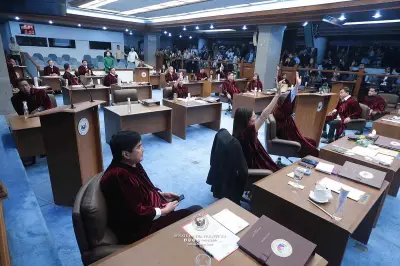
For many citizens, the fight against bureaucratic corruption remains a top priority when evaluating presidential candidates. Recent scandals, such as the loss of billions of pesos due to non-existent or substandard flood control projects, underscore the urgent need for transparency and accountability. Ideally, voters seek a president with an untainted record and a reputation for integrity, akin to figures like Ninoy Aquino or his son Noynoy Aquino, though both are deceased. Notably, Vice President Sara Duterte faces impeachment proceedings over her use of confidential funds and other alleged abuses, which raises serious concerns about her suitability for the highest office. Eliminating corruption must be a cornerstone of any credible presidential platform.

Energy Independence: A Growing Imperative
Energy security has emerged as a critical issue, especially in light of global tensions, such as the US-Iran conflict and the closure of the Strait of Hormuz, which threatens oil supplies and prices. The Philippines possesses an oil field near Palawan, but its potential is hampered by monopoly control over refineries. Additionally, the government has been slow to develop alternative energy sources, despite the country's abundant natural resources. The next president must prioritize harnessing solar, wind, wave, and thermal energy to reduce dependence on foreign oil and foster sustainable growth. A leader with expertise in alternative energy could transform the nation's energy landscape.
Additional Considerations and Candidate Scrutiny
While these issues are paramount, voters may also weigh other factors based on personal preferences, such as economic policies, social justice, or environmental protection. The goal is to ensure the election of a president who embodies the best qualities for national leadership. It is important to acknowledge Sara Duterte's intellectual capabilities without resorting to derogatory terms like "booba." However, she must address the corruption allegations against her, including the confidential funds controversy, alleged links to drug lords, and unexplained wealth, particularly the bank accounts cited by former Senator Antonio Trillanes. A robust defense of her record is essential for her candidacy.
In summary, the 2028 Philippine presidential election will be defined by complex issues that demand thoughtful consideration from both candidates and voters. By focusing on foreign policy, corruption, and energy independence, the electorate can make an informed choice that shapes a brighter future for the nation.