Former DPWH Engineers File Motion to Exclude Statements as Evidence in DOJ Case
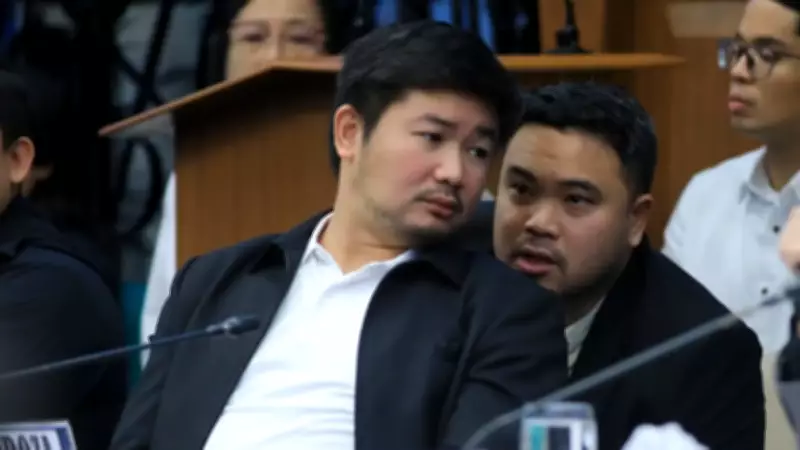
In a significant legal development, former Department of Public Works and Highways engineers Brice Hernandez and Jaypee Mendoza have formally requested the Department of Justice to exclude specific statements they previously made from being used as evidence against them. This motion comes as part of their defense in a high-profile case involving allegations of malversation, graft, and direct bribery.
Basis of the Exclusion Request
In their counter-affidavits submitted to the DOJ, Hernandez and Mendoza argue that the statements in question were originally provided as part of their applications for the Witness Protection Program. According to legal provisions, such statements are typically protected and cannot be utilized against the applicants in criminal proceedings. Hernandez emphasized this point, stating that the use of these statements as evidence would violate established legal protocols designed to encourage cooperation with authorities.
Background of the Case
The engineers are implicated in an alleged ghost flood control project in Pandi, Bulacan, a scandal that has also ensnared former Senator Bong Revilla. The National Bureau of Investigation filed the complaints, accusing the individuals of involvement in fraudulent activities related to public funds. Despite applying to become state witnesses in hopes of securing immunity or reduced charges, their applications were not approved by the DOJ, leaving them to face the full brunt of the legal allegations.

Allegations of Pressure and Deception
Further complicating the matter, Hernandez has alleged that he was pressured into signing the affidavits without adequate time to review or understand their contents. He claims that NBI agents misled them by assuring that their statements would only be used against certain government officials, not against themselves. This alleged deception forms a key part of their argument for excluding the evidence, as it raises questions about the voluntariness and legality of the statements obtained.
The DOJ is now tasked with reviewing this motion, which could have implications for the admissibility of evidence in similar cases. Legal experts note that the outcome may hinge on whether the statements were indeed part of a protected application process and if any coercion was involved. As the case unfolds, it highlights ongoing challenges in balancing investigative needs with defendants' rights in corruption-related proceedings.