Supreme Court Rules in Favor of Co-ownership for Same-Sex Couples
In a landmark decision, the Philippine Supreme Court has affirmed that individuals in same-sex relationships may be recognized as co-owners of property, provided they meet specific legal criteria. This ruling hinges on the application of Article 148 of the Family Code, which governs property relations for unmarried partners who cohabit.
Legal Basis and Case Details
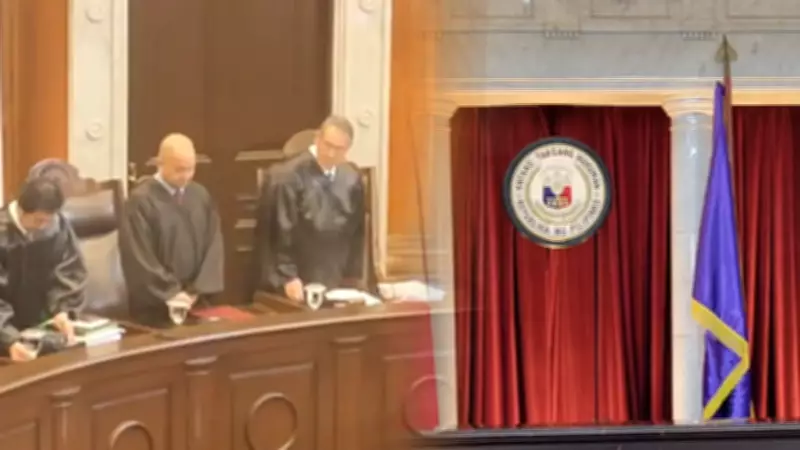
Associate Justice Jhosep Y. Lopez of the Supreme Court's Second Division authored the resolution, which overturned a prior decision by a regional trial court. The case originated from a petition filed by a former same-sex partner seeking division of property acquired during their relationship. The couple had jointly purchased a house and lot in Quezon City while together, but upon separation, one partner reneged on an agreement to sell and share the proceeds, denying the other's co-ownership claim.
The Supreme Court emphasized that under Article 148, co-ownership can be established if the partners live together in a single residence and provide proof of actual contributions to the property. This provision extends to relationships where legal marriage is not possible, such as same-sex unions, ensuring fair treatment in property disputes.

Implications and Broader Context
This decision marks a significant step toward recognizing the rights of same-sex couples in the Philippines, where same-sex marriage remains unrecognized. By applying existing family law principles, the court has opened a pathway for equitable property division, potentially influencing future cases involving non-traditional relationships. Legal experts note that this ruling could encourage more individuals to seek judicial recourse for property claims, fostering greater awareness of co-ownership rights under the Family Code.
The reversal of the lower court's dismissal underscores the Supreme Court's commitment to interpreting laws in a manner that addresses evolving social realities. As debates on LGBTQ+ rights continue, this case sets a precedent for how property issues in same-sex relationships might be handled, pending further legislative developments.