22 Police Officers Placed in Restrictive Custody Over Alleged Hazing in Basilan
The Philippine National Police (PNP) announced on Tuesday that 22 police officers have been placed in restrictive custody due to their alleged involvement in hazing incidents affecting approximately 100 new recruits in Lamitan City, Basilan. Among those detained are eight police commissioned officers and 14 non-commissioned officers, highlighting a significant breach of conduct within the force.
Charges and Investigation Details
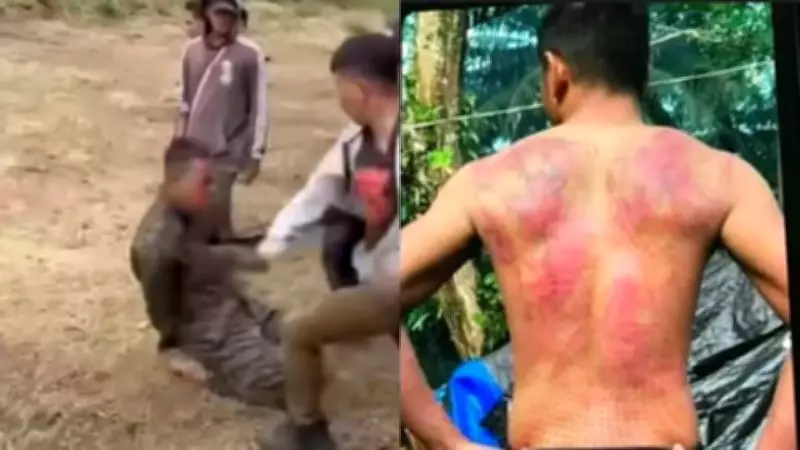
According to PNP spokesperson Police Brigadier General Randulf Tuaño, 12 of these officers, including the commander of the Regional Mobile Force Battalion (RMFB)-14B, have been charged with violations under the Anti-Hazing Act of 2018. The charges are based on sworn statements from victims and medical certificates documenting injuries sustained during the incidents.
Tuaño emphasized that the RMFB-14B commander is not only facing command responsibility but is also alleged to have been physically present during the hazing events. Authorities are continuing to investigate the extent of his participation to determine the full scope of accountability.

Additional Personnel Relieved from Duty
In addition to the 22 officers in custody, 55 other personnel from RMFB-14B have been temporarily relieved from their posts, bringing the total number of police involved in the issue to 77. Tuaño clarified that not all relieved personnel are suspected of direct participation in the hazing; they have been reassigned to report to the regional headquarters while the investigation proceeds.
One of the relieved personnel was identified as responsible for leaking a viral video of the incidents. The PNP stated that this individual believed releasing the video would help put an end to such "welcome rites" within the police ranks, though this action has also drawn scrutiny.
Medical Conditions and Legal Implications
Some recruits who underwent medical examinations were advised to rest for up to nine days due to bruises and hematomas. Tuaño denied reports of victims in critical condition, noting that no one required hospitalization for more than a day. He explained that incidents of recruits losing consciousness might have resulted from a combination of physical exercise and hazing activities.
Under the Anti-Hazing Law, injuries requiring treatment for one to nine days carry penalties ranging from six years and one day to eight years of imprisonment upon conviction. The PNP has a zero-tolerance policy, meaning those found guilty could face both administrative and criminal cases, including possible dismissal from service and imprisonment under Republic Act 11053.
Recruits' Response and Ongoing Measures
Despite the traumatic events, authorities reported that the recruits have not expressed any intention to request transfers from their deployment. The PNP is reinforcing its commitment to eradicating such practices, with ongoing investigations aimed at ensuring justice and preventing future occurrences. This case underscores the challenges in maintaining discipline and ethical standards within law enforcement agencies.