Cebu City Hit-and-Run Tragedy Exposes Critical Gaps in Road Safety Enforcement
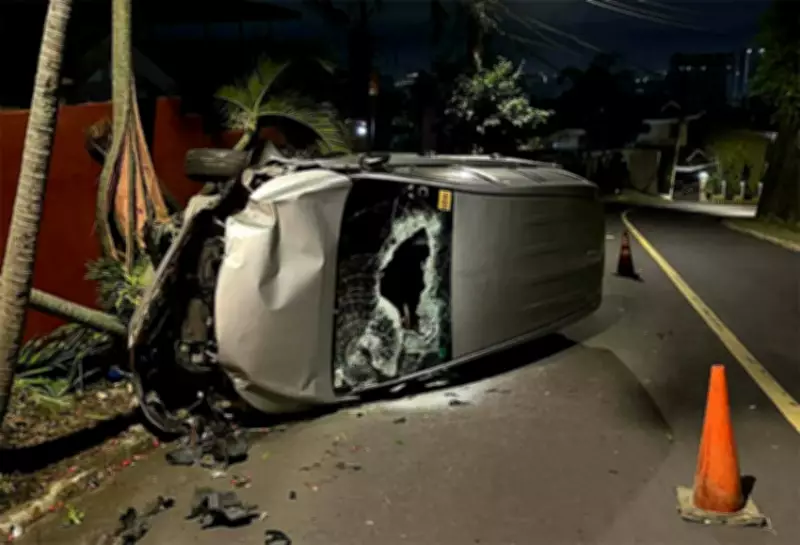
The tragic death of a local entrepreneur in a hit-and-run incident has exposed significant flaws in Cebu City's capacity to enforce road safety laws effectively. While initial police reports indicated the suspect smelled of alcohol and social media videos appeared to show him drinking prior to the crash, official test results returned negative. The reason for this discrepancy is now clear: a critical 19-hour delay caused by a lack of testing equipment and hospital protocols.
Evidence Versus Official Results
The gap between what investigators observed and what the tests ultimately proved has ignited a fierce debate regarding local law enforcement capabilities. Traffic investigators from the Traffic Enforcement Unit reported detecting alcohol on the breath of suspect Sean Andrew Pajarillo immediately following the crash. Furthermore, video footage circulating online depicted Pajarillo drinking at a club before the incident.
Despite this compelling visual and sensory evidence, the official report states he tested negative for alcohol. This contradictory outcome stems from the fact that the test was not administered until nearly a full day after the event.

A Systemic Gap in Enforcement Tools
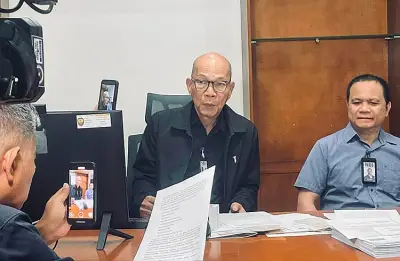
The primary issue lies in a straightforward lack of essential tools. There were no breathalyzers or toxicology equipment available when they were most urgently needed. Cebu City Mayor Nestor Archival confirmed that the Cebu City Medical Center, where the suspect was initially taken, lacked the necessary equipment to determine if a driver was under the influence.
"The hospital where the suspect was first brought had no equipment to detect alcohol influence. When he was transferred to CCMC, we discovered that we also do not possess that equipment," Archival stated.
Without scientific instruments, doctors were forced to rely on observational assessments long after the crash had occurred.
"The doctor noted the suspect was coherent and able to communicate properly, but that evaluation took place already after 12 hours. The certification originated from the doctor, not the police," Archival added.
The Critical 19-Hour Timeline
Police Lieutenant Colonel Jose Los Baños detailed how a combination of hospital transfers and procedural protocols caused the crucial delay. After investigators detected alcohol on Pajarillo, they requested a liquor and drug test. However, the suspect was moved to a private hospital in the North Reclamation Area of Mandaue City at his father's request. Police were denied entry to the Emergency Room and compelled to wait outside.
The timeline of the delay illustrates how the window for gathering evidence rapidly closed:
- 12:53 a.m. Feb. 8: The incident occurs.
- 1:50 a.m. Feb. 8: Pajarillo arrives at the private hospital in Mandaue City.
- 2:00 p.m. Feb. 9: Police follow up on the liquor test request, but it is redirected to the hospital’s legal officer.
- 4:00 p.m. Feb. 9: The legal officer states consent is required from both the suspect and the attending doctor.
- 7:55 p.m. Feb. 9: The tests are finally conducted—19 hours after the crash. The result is negative.
"You can imagine that from 1:50 a.m. he was brought to Chong Hua Mandaue, and it was already 4 p.m. on the same date when the doctor signed and granted permission," Los Baños explained.
Business Community and Safety Concerns
The delay has provoked sharp criticism from the business community. The Cebu Chamber of Commerce and Industry described the death of Kingston Ralph Co Cheng as a severe blow to the local entrepreneurial ecosystem. Business leaders emphasized that safety is fundamental to a thriving economy.
They criticized the absence of safe sidewalks in bustling commercial areas like Paseo Rodolfo, noting that without clear pedestrian paths, individuals are forced onto the road where they become significantly more vulnerable to accidents.

Legal Actions and Future Preventive Measures
Even with the negative test result, authorities are pursuing decisive action. The Land Transportation Office is moving to revoke Pajarillo’s driver's license for life. LTO Assistant Secretary Markus Lacanilao stated that their investigation uncovered strong indications of driving under the influence, irrespective of the delayed hospital test.
To prevent such incidents from recurring, Mayor Archival declared that the city must procure breath analyzers and testing kits for both the Cebu City Medical Center and the police force. As the city mourns the loss of a promising local businessman, the focus remains squarely on closing these dangerous loopholes. Without the proper tools to enforce the law immediately, reckless drivers may continue to evade justice, placing the public at ongoing risk.