Davao's Traffic Enforcers Brave Scorching Heat to Maintain Order
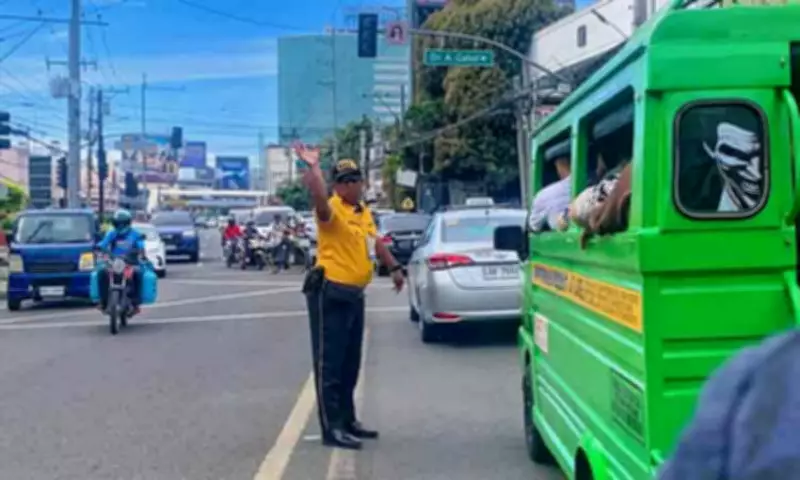
Despite soaring temperatures and a high heat index, dedicated traffic enforcers from the Davao City Transport and Traffic Management Office remained steadfast at their posts. These unsung heroes worked tirelessly to ensure a smooth flow of vehicles, directing traffic at critical intersections and actively reducing congestion during peak hours. Their commitment highlights the daily challenges faced by those managing the city's transportation network under increasingly difficult conditions.
MAP Urges Comprehensive Traffic Strategy Amid Growing Concerns
The Mindanao Alliance for Progress (MAP) has formally called on Davao City officials to develop and present a detailed traffic management plan. This request comes in response to mounting worries among residents about the city's deteriorating traffic situation. Davao City recently earned the dubious distinction of being ranked as the most traffic-congested city in the Philippines and the fourth worst in Asia, according to the Tomtom Traffic Index.
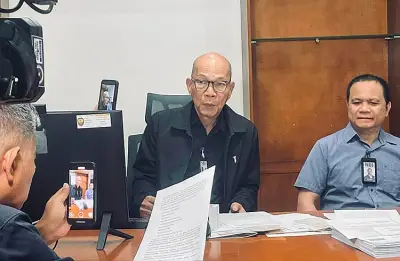
MAP coordinator Mayet Valdez emphasized in an interview with Radyo Pilipinas that while the problem might be somewhat exaggerated in national media reports, it nonetheless requires immediate attention to prevent further escalation. "Traffic is a growing problem that we need to address. It is also an indicator of a growing city. I believe that the local government is doing its part, but it's not something that can be immediately addressed," Valdez stated.

Beyond Simple Solutions: The Need for Systemic Change
Valdez pointed out that solving Davao's traffic woes cannot be achieved through quick fixes like constructing more roads, tunnels, or bridges. While such infrastructure projects could provide relief, they require significant time and resources to implement. Instead, she highlighted the promising bus transit system currently being tested in the city, which has received positive feedback and could substantially ease congestion if expanded with designated bus lanes and adequate fleet numbers.
The coordinator advocated for a holistic approach, stressing the importance of implementing a comprehensive traffic management policy. "There is a need to implement a comprehensive system and clearly communicate the full traffic management plan to the public to help them understand," she explained. "If we start communicating to our people that there is a bigger plan and not just focus on a single project, then people can make better decisions and adapt to changes."
Rethinking Vehicle Regulation and Infrastructure Efficiency
While number coding schemes have been suggested as a potential measure to regulate private vehicle usage, Valdez cautioned that this approach is incomplete. Affluent individuals could simply purchase additional cars to circumvent coding restrictions, thereby failing to address the root causes of congestion.
Instead, she proposed stronger policies and more efficient systems, including:
- Ensuring all traffic lights function properly and are synchronized
- Maintaining clean roads free of obstructions
- Improving coordination between pedestrian crossings and traffic signals
- Developing integrated public transportation networks
As Davao City continues to experience traffic congestion as a byproduct of urban growth, the combined efforts of dedicated traffic enforcers and strategic planning advocated by groups like MAP will be crucial in navigating toward a more sustainable transportation future.